Table of Contents
Welcome to HabitHack.fun, your trusted resource for mastering personal growth and mental wellness. Stress is a pervasive phenomenon that significantly affects physical and mental health when it exceeds an individual’s adaptive capacity. While a certain amount of stress is a normal part of life and can even be beneficial, prolonged or excessive stress can have negative effects on your health and well-being. This comprehensive guide explores the science of stress and provides evidence-based strategies to manage it effectively.
Understanding Stress: What Happens in Your Body?
Stress is your body’s physical and emotional response to new or challenging situations. It is mediated by complex neurobiological interactions, including the hypothalamic-pituitary-adrenal (HPA) axis and the autonomic nervous system. When you encounter a stressor, your brain triggers the release of hormones like cortisol and adrenaline. This “fight-or-flight” response temporarily increases your heart rate, blood pressure, and energy mobilization, helping you react quickly to the challenge.
Acute vs. Chronic Stress
There are different types of stress, each affecting you differently:
- Acute Stress: Short-term stress linked to everyday life. It can be helpful, keeping you focused and alert in challenging situations.
- Chronic Stress: This stems from traumatic events or strain that seems inescapable. When stress is long-term and persistent, it can lead to worsening health problems. The “always-on” culture, where technology keeps us constantly connected, is a modern contributor to this type of stress.
- Eustress: This is a positive type of stress that spurs us on to meet deadlines, achieve goals, and engage in new experiences.
Common Signs of Stress
Your body and mind often signal when stress is becoming too much. Recognizing these signs is the first step toward effective management. Common symptoms include:
- Physical: Headaches, muscle tension, fatigue, sleep disturbances, digestive problems, and changes in appetite.
- Emotional: Irritability, anxiety, feeling overwhelmed, mood swings, and a lack of motivation.
- Cognitive: Trouble concentrating, racing thoughts, and difficulty making decisions.
The Long-Term Impact of Stress
Chronic stress is linked to numerous health conditions. It can lead to changes in cardiovascular health, including elevated blood pressure and heart rate. It can also accelerate aging, increase the risk of chronic illnesses, and exacerbate mental health conditions like anxiety and depression. Prolonged stress exposure can even reduce hippocampal volume, impairing neurogenesis and leading to deficits in learning and memory.
Proven Stress Management Strategies
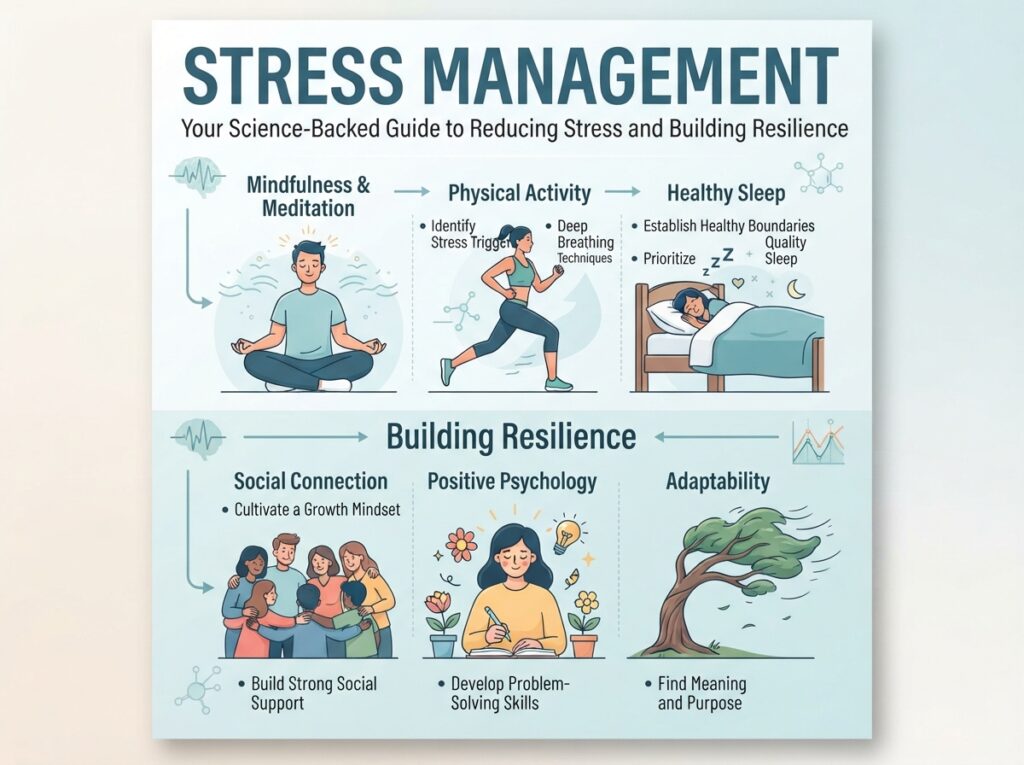
The good news is that you can learn to manage stress effectively. The most effective approaches often combine proactive and reactive methods to build resilience. A large-scale study on stress-management competencies found that proactive stress management—planning and preventing stress—is especially valuable. Here are some of the most effective, evidence-backed strategies.
1. Practice Mindfulness
Mindfulness is the ability to focus on the present moment without judgment. It is one of the most powerful tools for managing stress. Research has shown that mindfulness-based stress reduction (MBSR) effectively improves psychological status and sleep quality. A network meta-analysis of healthcare workers found that mind-body practices (MBPs)—which include mindfulness, yoga, and meditation—are the most effective interventions for occupational stress.
Simple mindfulness practices you can start today:
- Mindful Breathing: At bedtime or during a break, close your eyes and take a deep, slow breath. Focus on the sensations of your chest or belly as you inhale and slowly exhale. Slow breathing, especially a long outbreath, activates the calming branch of your nervous system.
- Body Scan: Lying in bed, bring your focus to each part of your body, starting with your toes and moving up to your head. When you notice tension, imagine that area relaxing fully. This releases physical stress and helps you settle into relaxation.
- App-Based Meditation: Studies show that using a mindfulness meditation app for at least 10 minutes a day can effectively reduce subjective pre-sleep arousal and improve sleep quality.
2. Practice Gratitude
Cultivating an attitude of gratitude is a key way to boost resilience and manage stress. Practicing gratitude daily can improve your physical and emotional well-being. It shifts your focus from what you lack to what you have, fostering a positive mindset that helps you cope better. This practice is a powerful way to shift your focus from stress to positivity, fostering a relaxed, peaceful mindset.
How to build this habit:
- Keep a gratitude journal and write down three things you’re grateful for each day.
- Take a moment to reflect on positive aspects of your day before bed.
3. Move Your Body
Physical activity is one of the most important things you can do for your health, and it’s a powerful stress reliever. Movement releases endorphins, which naturally boost mood and reduce stress. Yoga, in particular, has been identified as an optimal mind-body practice for reducing stress. Even a short walk can help clear your mind and get those endorphins going.
How to build this habit:
- Start small. Even 20 to 30 minutes of activity a day can make a difference.
- Find activities you enjoy—walking, swimming, yoga, or gardening.
- Take short breaks at work to stretch or walk around.
4. Prioritize Sleep
A good night’s sleep is essential for managing stress. Sleep deprivation can increase stress and fatigue, while a consistent sleep routine helps regulate your body’s stress response. Studies confirm that mindfulness-based interventions are effective at improving sleep quality, which in turn reduces the negative effects of work-related stressors.
How to build this habit:
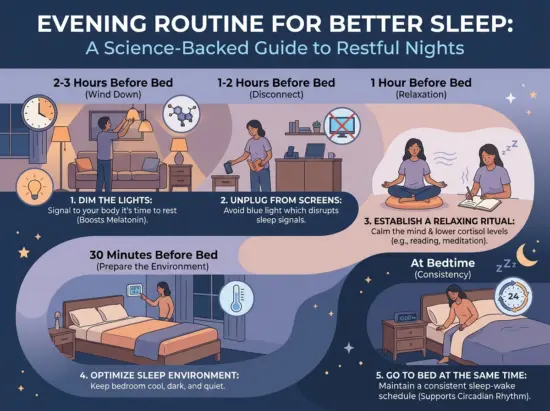
- Go to bed and wake up at the same time each day.
- Wind down before bed by minimizing screen time and keeping your bedroom tech-free.
- Practice a calming bedtime routine, such as reading or listening to soothing music.
5. Protect Your Focus
Constant notifications and a digital “always-on” culture can keep your brain in a state of high alert. To manage this low-level, chronic stress, take control of your digital environment.
How to build this habit:
- Set Boundaries on Technology: Silence non-essential alerts and set specific times to check your email and social media. Constant information about negative events can be upsetting, so it is good to take breaks from news and social media.
- Limit Screen Time Before Bed: This promotes relaxation and better sleep.
- Take a Pause: Taking just five minutes each day to practice mindfulness through deep breathing or a short walk can help manage low-level stress. It’s actually better for your productivity to take a little bit of a pause between different tasks.
6. Connect with Others
A sense of belonging and community can help reduce feelings of loneliness. Social connections are vital for a healthy stress response. A simple “Are you okay?” can mean the world to someone.
How to build this habit:
- Talk with people you trust about your concerns and how you are feeling.
- Be intentional about spending time with those who uplift you.
- Make time to connect with loved ones, even if just for a quick chat.
7. Manage Your Time and Commitments
Stress often comes from taking on more than you need to. Proactive time management reduces pressure and helps you feel more in control.
How to build this habit:
- Break Tasks Down: Break large tasks into smaller, manageable steps.
- Learn to Say No: Setting boundaries is essential. Look at your commitments and ask what can be postponed or delegated.
- Set Realistic Goals: Overloading your to-do list creates unnecessary pressure.