Table of Contents
Welcome to HabitHack.fun, your trusted resource for mastering personal growth and habit formation. Life improvement isn’t about dramatic overhauls or waiting for a “perfect moment.” It’s about the small, consistent changes that, over time, compound into a life of greater purpose, health, and happiness. This comprehensive guide explores practical, science-backed life improvement ideas across every dimension of your life.
What Is Life Improvement?
Life improvement is the intentional process of making positive changes in various areas of your life to enhance your overall well-being, satisfaction, and fulfillment. It’s about designing a life that aligns with your values, supports your growth, and brings you joy. It encompasses everything from your physical health and mental well-being to your relationships, career, and personal growth.
Why Life Improvement Matters
Improving your life is not a luxury—it’s a necessity for thriving, not just surviving. When you actively work to improve your life, you:
- Increase your resilience to handle life’s inevitable challenges
- Boost your mental and physical health, leading to greater energy and vitality
- Enhance your relationships through better communication and empathy
- Find greater purpose and meaning, leading to a deeper sense of fulfillment
Core Life Improvement Areas
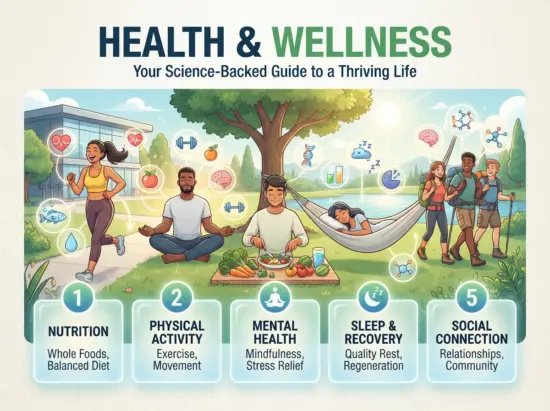
1. Physical Health and Wellness
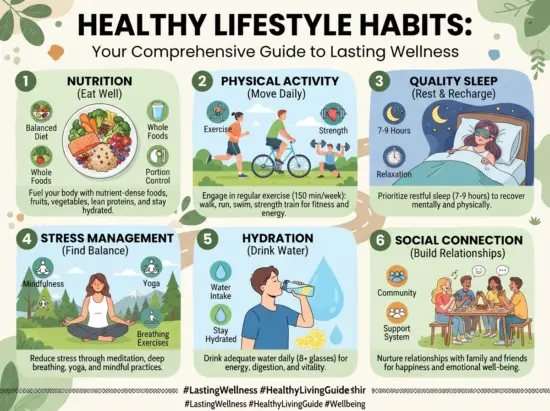
Your physical health is the foundation upon which everything else is built. Without it, you cannot fully enjoy the other areas of your life.
Key Ideas:
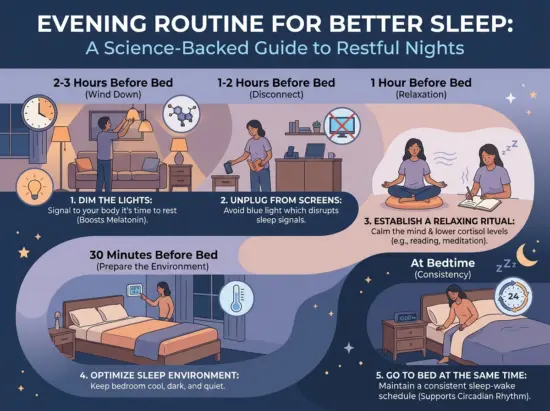
- Prioritize quality sleep: Aim for 7-9 hours of consistent, uninterrupted sleep. Create a relaxing bedtime routine and maintain a regular sleep schedule
- Move your body daily: Incorporate a mix of cardiovascular, strength, and flexibility exercises. Even a 20-minute walk can significantly boost your mood and energy
- Nourish your body: Focus on whole, unprocessed foods. Eat the rainbow—a colorful variety of fruits and vegetables provides essential nutrients
- Hydrate: Drink adequate water throughout the day. Dehydration can lead to fatigue, headaches, and poor concentration
- Schedule regular check-ups: Don’t neglect preventive healthcare. Regular check-ups can catch potential issues early
2. Mental and Emotional Well-Being
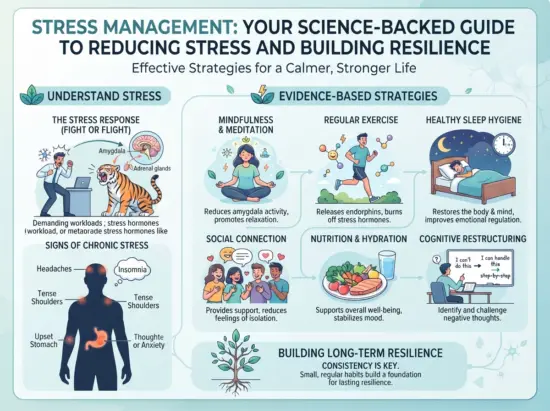
Your mental health is just as important as your physical health. A healthy mind is resilient, adaptable, and capable of handling stress.
Key Ideas:
- Practice daily mindfulness: Take a few minutes each day to be present. This could be through meditation, deep breathing, or simply paying attention to your surroundings without judgment
- Cultivate a growth mindset: Embrace challenges as opportunities to learn. Believe that your abilities can be developed through effort and perseverance
- Develop emotional intelligence: Practice self-awareness, empathy, and emotional regulation. Understand your feelings and how they impact your actions
- Challenge negative self-talk: Replace self-criticism with self-compassion. Treat yourself with the same kindness you would offer a good friend
- Consider professional support: If you’re struggling with anxiety, depression, or other mental health concerns, reach out to a therapist or counselor for professional support
3. Relationships and Social Connections
Humans are inherently social creatures. Strong, supportive relationships are a cornerstone of a happy, healthy life.
Key Ideas:
- Nurture your relationships: Make time for the people who matter most. Schedule regular time with family and friends. Show up and be present
- Practice active listening: When others speak, give them your full attention. Don’t just wait for your turn to speak—truly hear what they’re saying
- Communicate with honesty and kindness: Express your thoughts and feelings openly and respectfully. Use “I” statements to avoid blaming others
- Set healthy boundaries: Learn to say no. Protect your time and energy. Healthy boundaries are essential for maintaining balance
- Seek community: Connect with groups or organizations that share your interests and values. This can provide a sense of belonging and support
4. Career and Professional Growth
Your work occupies a significant portion of your life. Finding purpose and fulfillment in your professional life is essential for overall well-being.
Key Ideas:
- Set meaningful career goals: Identify what you want to achieve in your career and create a plan to get there. This gives you direction and purpose
- Embrace continuous learning: Stay current in your field by reading, taking courses, and seeking new challenges. This not only enhances your skills but also keeps your work interesting
- Network strategically: Build genuine professional relationships. Connect with others who share your interests and can offer support and opportunities
- Seek mentorship: Learn from those who have experience in your field. A mentor can provide invaluable guidance and support
- Develop soft skills: Strong communication, leadership, and emotional intelligence are highly valued in any profession
- Find purpose in your work: Connect your daily tasks to the bigger picture. How does your work contribute to a larger goal or mission?
5. Financial Well-Being
Financial stress is a significant source of anxiety for many people. Improving your financial literacy and habits can dramatically reduce this stress and provide greater freedom.
Key Ideas:
- Create a budget: Track your income and expenses to understand where your money is going. This is the first step to taking control of your finances
- Build an emergency fund: Aim for 3-6 months of living expenses in a separate, easily accessible account. This provides a financial safety net
- Pay yourself first: Automate a percentage of your income to a savings or investment account each month
- Educate yourself: Read books and articles, take courses, or consult a financial advisor to improve your financial literacy
- Live below your means: Distinguish between needs and wants. Spend intentionally on things that align with your values
- Plan for the future: Consider your long-term financial goals, such as retirement, and create a strategy to reach them
6. Personal Growth and Learning
Personal growth is a lifelong journey of self-discovery and development. It keeps your mind sharp and your spirit engaged.
Key Ideas:
- Read regularly: Books, articles, and other materials expand your knowledge and introduce you to new perspectives. Challenge yourself to read from diverse genres
- Learn a new skill: Take up a hobby, learn a language, or acquire a new professional skill. This stimulates your brain and fosters creativity
- Reflect and journal: Regularly reflect on your experiences, goals, and values. Journaling is a powerful tool for self-discovery
- Step out of your comfort zone: Challenge yourself to try things that scare you, even in small ways. This builds resilience and confidence
- Join a book club or discussion group: This combines learning with social connection, providing a space for thoughtful discussion and diverse perspectives
7. Home and Environment
Your physical environment has a profound impact on your mental well-being. A cluttered, chaotic home can lead to a cluttered, chaotic mind.
Key Ideas:
- Declutter regularly: Get rid of things you no longer need or use. A clutter-free space promotes mental clarity
- Create a peaceful sanctuary: Design a space in your home where you can relax and unwind. This could be a reading nook, a meditation corner, or a cozy bedroom
- Optimize your workspace: Ensure your workspace is organized, comfortable, and conducive to focus
- Bring nature indoors: Add plants to your home. They purify the air and can boost mood and reduce stress
- Clean consistently: A clean home contributes to a sense of order and calm
8. Healthy Habits and Routines
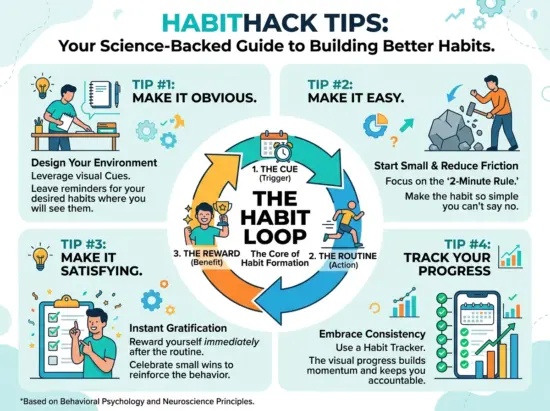
Habits are the building blocks of a better life. By building positive routines, you can automate your success.
Key Ideas:
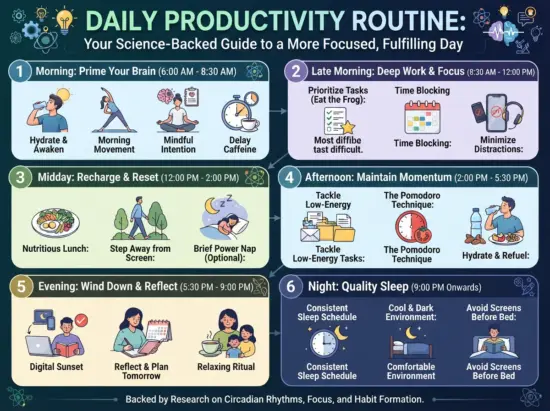
- Establish a morning routine: Start your day with intention. A calm, focused morning sets the tone for a productive day
- Create an evening ritual: Wind down before bed with a relaxing routine that signals your brain it’s time for sleep
- Use habit stacking: Attach a new habit to an existing one, like “After I brush my teeth, I will do 10 squats”
- Practice gratitude daily: Write down three things you’re grateful for each day. This shifts your focus to the positive
- Limit screen time: Set boundaries around your phone, computer, and television to protect your attention and mental health
- Celebrate small wins: Acknowledge your progress, no matter how small. This builds momentum and motivation
9. Spirituality and Connection to Purpose
Spirituality is about connecting with something greater than yourself and finding meaning in life.
Key Ideas:
- Practice meditation or mindfulness: This can help you feel more connected and grounded
- Spend time in nature: Being in nature can foster feelings of awe and connection
- Engage in meaningful service: Volunteer your time or skills to help others. This can be deeply fulfilling
- Connect with your values: Reflect on what matters most to you and ensure your life reflects those values
Overcoming Common Life Improvement Barriers
The “All-or-Nothing” Trap
Many people fail at life improvement because they try to change everything at once. Instead, adopt the “1% better every day” approach. Small, consistent improvements compound over time. Start with one area and one small change. Build momentum from there.
The “Too Busy” Trap
We all have the same 24 hours. It’s not about finding time; it’s about making time. Start by reprioritizing. Identify what’s most important to you and dedicate time to it. This often means learning to say “no” to less important things.
The “Comparison” Trap
Comparing your life to others’ curated highlights on social media is a recipe for dissatisfaction. Instead, compare yourself to your past self. Are you doing better than you were a year ago? If not, what small change can you make today?
The “Motivation” Trap
Motivation is fleeting. Don’t rely on it. Build systems and habits that work even when you don’t feel like it. Remember the concept of momentum—starting is often the hardest part. Once you start, the energy will follow.
The “Perfectionism” Trap
Perfectionism is the enemy of progress. It prevents you from starting. Accept that you are a work in progress and that mistakes are part of the journey. The goal is not to be perfect; the goal is to be better than you were yesterday.