Table of Contents
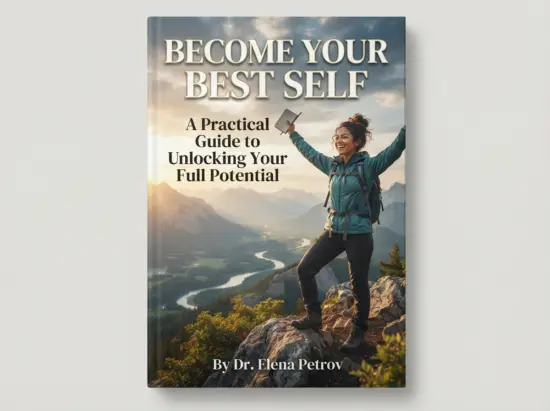
Welcome to HabitHack.fun, your trusted resource for mastering personal growth and habit formation. The journey to become your best self is not about reaching a final destination of perfection. It is a continuous, lifelong process of self-discovery, growth, and intentional action. It’s about peeling back the layers of conditioning and fear to reveal the authentic, capable, and resilient person you already are. This comprehensive guide explores what it truly means to become your best self and provides actionable strategies to help you unlock your full potential.
What Does “Becoming Your Best Self” Really Mean?
Becoming your best self is a deeply personal journey of self-actualization—a term coined by psychologist Abraham Maslow to describe the process of realizing and fulfilling one’s potential. It’s not about comparing yourself to others or achieving a specific status. It’s about aligning your actions with your deepest values, embracing your unique strengths, and continuously striving to grow. It means becoming the person you are capable of being, not the person someone else thinks you should be.
Why This Journey Matters
Research on flourishing—a state of optimal well-being—highlights the profound impact of living in alignment with your potential. When you become your best self, you experience greater resilience, deeper relationships, enhanced creativity, and a stronger sense of purpose.
The Importance of Self-Acceptance
A critical first step is self-acceptance. This means acknowledging your strengths and weaknesses without judgment. It means embracing your quirks, imperfections, and past mistakes as part of your unique story. Self-acceptance is the foundation of self-improvement. Without it, the journey becomes one of self-criticism, not self-compassion.
Core Principles for Becoming Your Best Self
1. Cultivate Radical Self-Awareness
Self-awareness is the cornerstone of personal growth. It’s the ability to objectively observe your thoughts, feelings, and behaviors. To improve, you must first understand your starting point. Without self-awareness, you are a stranger to yourself, operating on autopilot.
How to build it:
- Journal daily: Write without censoring. Explore your feelings, patterns, and reactions. Regular journaling helps you track your personal development and unpack your thoughts
- Practice mindfulness: Set aside time each day to observe your thoughts without judgment
- Seek honest feedback: Ask trusted friends and mentors for their candid observations about your strengths and blind spots
2. Align with Your Core Values
Your values are your internal compass. They define what truly matters to you. When your actions are aligned with your values, you experience a sense of integrity and fulfillment. When they aren’t, you feel a nagging sense of unease.
How to identify them:
- Reflect on peak experiences: Think about moments when you felt most alive and proud. What values were you honoring?
- Consider your heroes: What qualities do you admire in others? These are often the values you want to embody
- Examine your priorities: Where do you spend your time and money? This often reveals your true values
- Write a personal mission statement: What is the impact you want to have on the world? What drives you?
3. Embrace a Growth Mindset
The belief that your abilities can be developed—the growth mindset—is fundamental to becoming your best self. It allows you to embrace challenges, learn from criticism, and persist through setbacks.
How to cultivate it:
- Add “yet” to your vocabulary: “I can’t do this” becomes “I can’t do this yet”
- View failure as feedback: Instead of “I failed,” say “I learned something that doesn’t work”
- Celebrate effort, not just outcomes: Focus on the process and what you’re learning
- Stay curious: Enter every situation with a desire to learn, not just to prove yourself
4. Practice Self-Compassion
Self-compassion is treating yourself with the same kindness and understanding you would offer a good friend. It’s not about self-indulgence; it’s about resilience. Research shows that self-compassion is a powerful predictor of well-being and that students who forgive themselves for procrastinating are less likely to procrastinate on their next exam.
How to practice it:
- Stop the inner critic: When you notice negative self-talk, consciously reframe it. For example, instead of “I’m such a failure,” say “I’m learning and growing.”
- Acknowledge your common humanity: Everyone makes mistakes. You are not alone in your struggles.
- Forgive yourself: When you slip up, don’t dwell on it. Acknowledge the error, learn from it, and move on.
5. Focus on What You Can Control
A significant source of anxiety is trying to control the uncontrollable—other people’s opinions, external events, and the past. This is the essence of the Stoic principle of control. The Stoics taught that we should focus our energy only on what we can control: our own thoughts, actions, and reactions.
How to focus on what you can control:
- Make a list: Divide your concerns into “what I can control” and “what I can’t control.”
- Release the rest: Actively let go of your attachment to things outside your control.
- Focus on your response: You can’t control what happens to you, but you can always control your response.
Actionable Strategies to Accelerate Your Growth
1. Design Your Environment
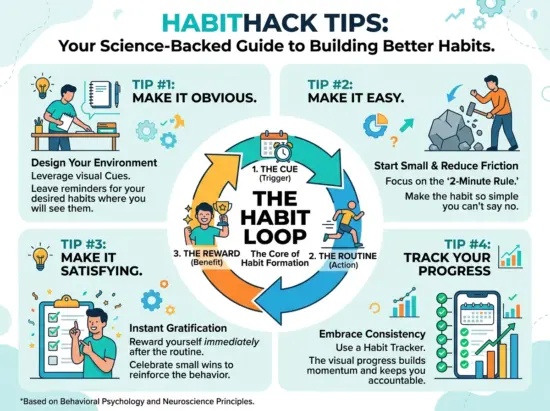
Your environment has a powerful influence on your behavior. If you want to become a healthier person, fill your fridge with nutritious food. If you want to become a more focused person, keep your phone in another room while you work. Proactively curate your surroundings to support your goals.
2. Set “Process” Goals, Not Just “Outcome” Goals
An outcome goal might be “I want to get a promotion.” A process goal is “I will dedicate 30 minutes each day to learning a new skill.” Focusing on the process gives you a sense of control and keeps you motivated even when the outcome seems far away.
3. Start Small and Build Momentum
Don’t try to change everything overnight. Pick one small, high-impact habit and practice it consistently. This builds momentum and proves to yourself that you are capable of change. This is the principle of Kaizen—continuous, incremental improvement.
4. Keep Promises to Yourself
Self-trust is built through consistency. When you tell yourself you’re going to do something—even something small—do it. This builds self-respect and confidence.
5. Learn to Say No
Your time and energy are finite. Saying “no” to things that don’t align with your goals is essential for creating space for the things that do. Protect your non-negotiables.
6. Find Your Community
The people you surround yourself with have a significant influence on your mindset and behavior. Seek out communities that inspire you, challenge you, and believe in your potential.
7. Prioritize Your Well-Being
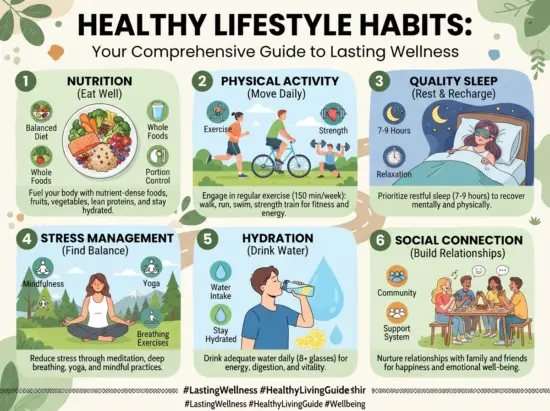
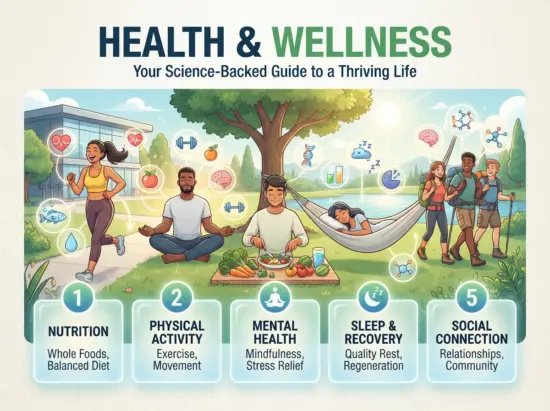
The most important relationship you will ever have is the one with yourself. You cannot pour from an empty cup. Prioritize rest, nutrition, and movement. Your best self is a healthy self.
The Daily Habits of Your Best Self
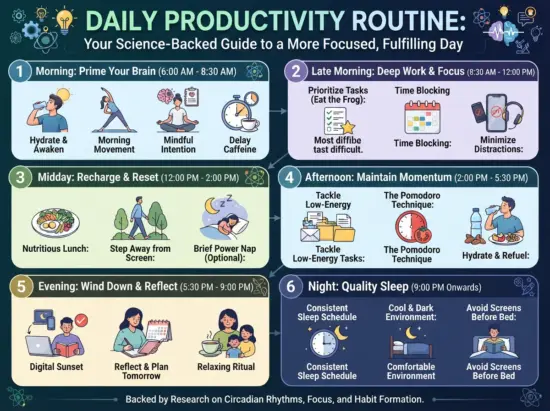
- Start each morning with intention: Before you check your phone, spend a few minutes setting an intention for the day. Ask yourself: “What kind of person do I want to be today?”
- Practice daily gratitude: Write down three things you’re grateful for each day to shift your focus from what you lack to what you have
- Read and learn daily: Feed your mind with knowledge and new perspectives. Even 15 minutes a day of reading can have a profound impact
- Reflect on your day: At the end of each day, reflect on what you learned and what you can do better tomorrow
Overcoming Common Obstacles
The “Fear of Judgment” Trap
Fear of what others think can keep you small. The truth is, most people are too focused on their own lives to be judging yours. Start by sharing your goals with someone you trust. This is a small step that builds courage.
The “What If I Fail?” Trap
What if you succeed? The fear of failure is often more painful than failure itself. To overcome it, reframe failure as a learning opportunity and remember that every successful person has failed many times.