Table of Contents
Welcome to HabitHack.fun, your trusted resource for mastering the art of habit formation and personal growth. A good night’s sleep is a cornerstone of health, yet many of us struggle to fall asleep and stay asleep. The problem often isn’t what happens when we get into bed, but the hours leading up to it. A structured evening routine is one of the most effective ways to improve sleep quality, lower stress, and wake up feeling truly refreshed .
Why an Evening Routine Matters for Sleep
An evening routine isn’t just about a set of tasks before bed; it’s a bridge that helps your body and mind transition from the busyness of the day to a state of rest . This predictable rhythm supports your circadian rhythm—your body’s internal 24-hour clock that regulates sleep, digestion, mood, and hormone balance . When you follow similar cues each night, like dimming lights or quieter spaces, your body begins to associate these actions with rest and relaxation, making it easier to fall asleep naturally over time .
The Science of Sleep Hygiene
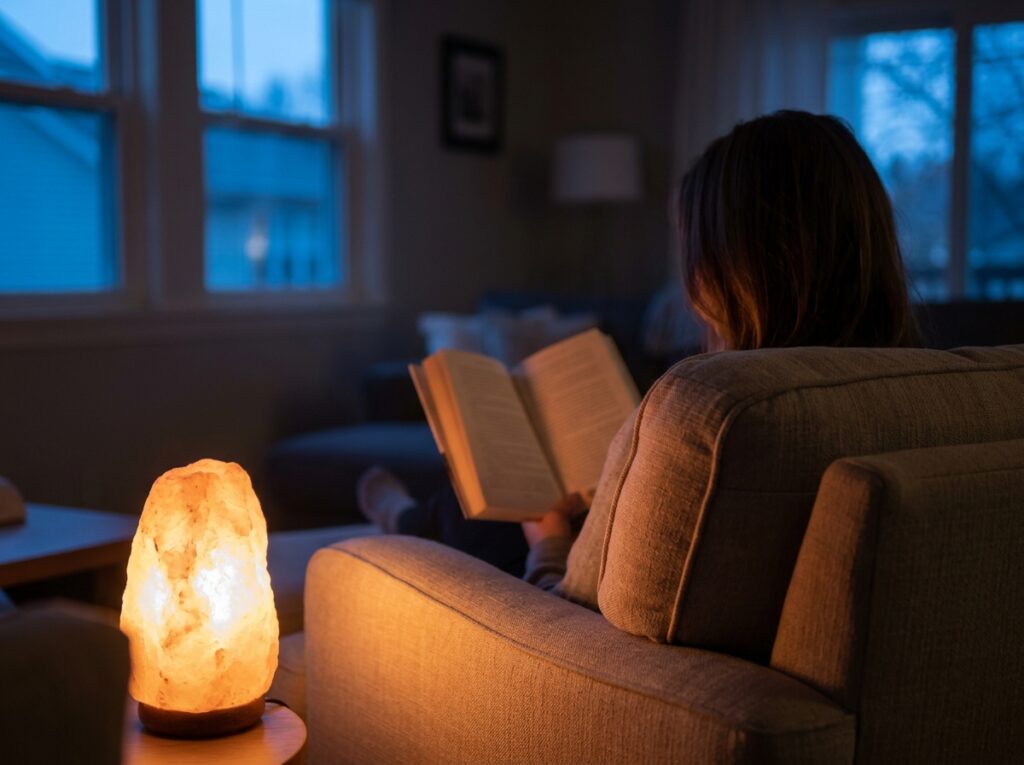
“Sleep hygiene” refers to the habits, routines, and environmental conditions that promote quality sleep . Sleep specialists emphasize that a lack of routine is one of the biggest disruptors for people struggling with insomnia . The most powerful factor for regulating your internal clock is consistency—going to bed and, more importantly, waking up at the same time every day, even on weekends .
Step-by-Step Guide to Your Evening Routine
You don’t need a complex ritual. The most effective evening routines are those you can repeat consistently, even on busy nights . Here is a framework to create your own, incorporating the key elements of a sleep-promoting schedule.
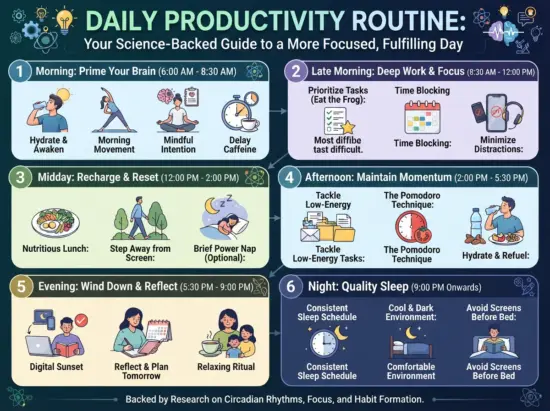
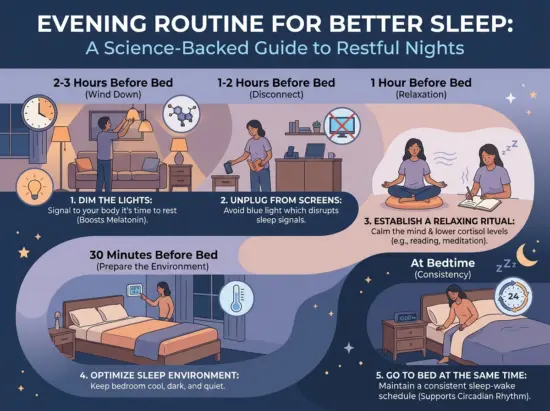
1. Set a “Digital Sunset”
The Goal: Stop using electronic devices at least 30 to 60 minutes before bed .
Why it works: The blue light emitted by phones, tablets, computers, and TVs disrupts your brain’s ability to produce melatonin, the hormone that signals it’s time to sleep . The content itself can also be stimulating, keeping your mind active rather than relaxed .
Actionable Tips:
- Put your phone on “Do Not Disturb” or turn it off completely .
- Leave your phone in another room to charge .
- Replace screen time with a calming activity like reading a physical book, listening to soft music, or journaling .
2. Time Your Evening Meal and Drinks
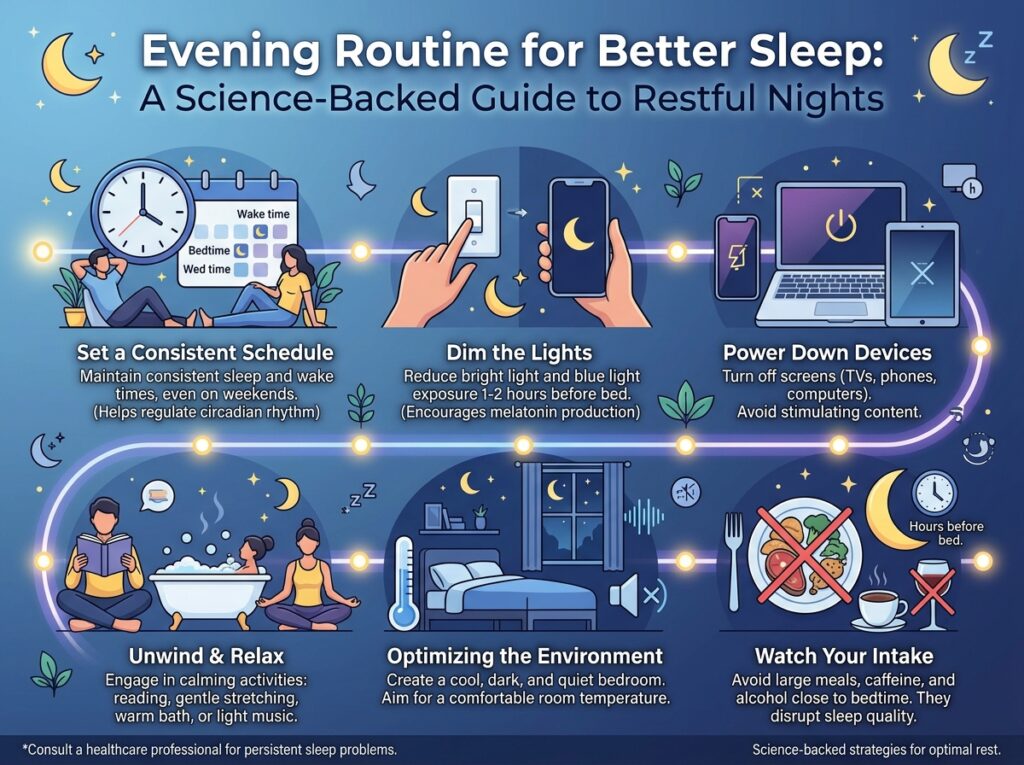
The Goal: Have your last meal at least 2-3 hours before bed, and stop consuming caffeine in the afternoon .
Why it works: Caffeine can stay in your system for 6-8 hours, interfering with your ability to fall asleep . Heavy, rich, or spicy meals close to bedtime can lead to indigestion and heartburn, disrupting your sleep . Alcohol, while it may make you feel sleepy initially, often disrupts deep sleep later in the night .
Actionable Tips:
- Try to have your dinner earlier in the evening, such as between 5 PM and 7 PM .
- Choose a light, sleep-supporting snack if you’re hungry before bed, like a banana or a small glass of warm milk .
3. Create a Calming Environment
The Goal: Make your bedroom a haven for sleep: cool, dark, and quiet .
Why it works: Light and noise are two of the biggest disruptors of sleep. A room that’s too warm can also interfere with your body’s natural temperature drop needed for sleep .
Actionable Tips:
- Dim the Lights: In the hour before bed, turn off bright overhead lights and use softer, warmer-toned lamps .
- Optimize Temperature: The ideal bedroom temperature is between 60-68°F (15-20°C) .
- Block Out Light and Noise: Use blackout curtains, an eye mask, or earplugs to minimize disruptions .
4. Develop a Wind-Down Ritual
The Goal: Choose a few calming activities to do each night to signal to your body that it’s time for rest .
Why it works: A routine helps lower mental clutter and stress, making it easier to fall asleep. Repeating the same relaxing activities each night creates a powerful cue for your brain to associate with sleep .
Actionable Tips:
- Read a Book: Reading for just 6 minutes has been shown to reduce stress levels by 68% .
- Take a Warm Bath or Shower: A warm bath or shower before bed can help you relax and mimics your body’s natural temperature drop that signals it’s time to sleep .
- Write a “Brain Dump”: Write down lingering worries or tasks for tomorrow. Research suggests this can help you fall asleep up to 9 to 10 minutes faster .
- Practice Relaxation: Gentle stretching, meditation, or deep breathing exercises can lower stress hormones and promote calm .
5. Practice Consistency and Patience
The Goal: Stick to your chosen routine as much as possible, even on weekends .
Why it works: Consistency is the key to strengthening your circadian rhythm. Building a new habit takes time; be patient and kind to yourself if some nights don’t go as planned .
What to Avoid in Your Evening Routine
Just as important as what you should do is what you should avoid:
- Stimulating Activities: Avoid intense exercise, thrilling TV shows, or engaging with work emails in the hour before bed .
- The Snooze Button: Getting up as soon as your alarm goes off helps reinforce a consistent wake time .
- Lying Awake in Bed: If you can’t sleep after 20 minutes, get up and do a quiet, boring activity in another room until you feel sleepy again. This prevents your brain from associating the bed with wakefulness .