Table of Contents
Welcome to HabitHack.fun, your trusted resource for mastering the art of habit formation and personal growth. In a world where the rising prevalence of lifestyle diseases—including cardiovascular conditions, diabetes, obesity, and mental health disorders—poses a significant threat to global health, understanding and prioritizing your health and wellness has never been more critical . This guide explores the distinction between health and wellness, the core pillars of lifestyle medicine, and actionable strategies to help you thrive.
What Is Health and Wellness? Understanding the Difference
While we often use the terms interchangeably, health and wellness have important distinctions that shape how we approach our well-being .
Defining Health
According to the World Health Organization (WHO), health is more than just the “absence of disease or infirmity.” Instead, the organization defines health based on a combination of physical, social, and mental well-being . It is a state of being, influenced by various determinants, including socio-economic status, lifestyle behaviors, occupation, education, social connections, and genetics .
Defining Wellness

Wellness, on the other hand, refers to the active pursuit of holistic health through deliberate lifestyle behaviors and choices . It’s a more comprehensive concept, covering physical, mental, emotional, social, and spiritual health . According to Harvard Health experts, self-care is based on lifestyle medicine—an evidence-based approach to disease prevention and treatment that focuses on adopting healthy habits .
The Key Differences
The major difference is that health is a goal to aim for, while wellness is the specific process involved in attaining that goal . You cannot have health without first achieving wellness. Think of wellness as quality of life and your ability to thrive .
The Core Pillars of Health and Wellness
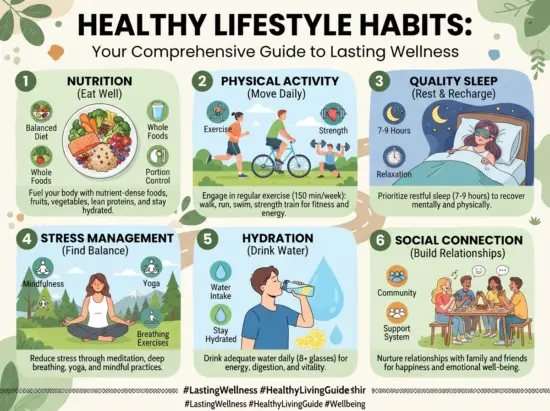
Research has identified key pillars that form the foundation of a healthy lifestyle. These include:
- Healthy Eating and Nutrition
- Regular Physical Activity
- Restorative Sleep
- Stress Management and Mental Well-Being
- Healthy Social Connections
- Avoiding Harmful Substances
Lifestyle Medicine: The Evidence-Based Approach
Lifestyle medicine is an evidence-based approach to disease prevention and treatment that helps you focus on adopting and sticking with healthy habits you can live with . Harvard researchers found clear associations between specific lifestyle habits and disease incidence, determining that people who practiced five specific lifestyle habits dramatically reduced their risks of heart disease and cancer compared with those who did none of these things .
The healthy participants:
- Ate a diet high in fruits and vegetables, whole grains, and unsaturated fatty acids, and low in red and processed meats, sugary drinks, trans fats, and sodium
- Did not smoke
- Got at least three-and-a-half hours of moderate to vigorous physical activity each week
- Maintained a healthy BMI (18.5-24.9)
- Avoided heavy drinking
Practical Health and Wellness Tips
1. Nourish Your Body with Real Foods
Food is fuel, and what you eat can directly affect your mood, digestion, and energy . Aim for colorful, whole foods like leafy greens, berries, sweet potatoes, salmon, and avocados . A fiber-rich low-fat diet is key to maintaining cardiovascular health .
2. Move Your Body Regularly
Regular physical activity is a cornerstone of wellness. According to WHO guidelines, it is recommended to engage in at least 150 minutes of moderate-intensity or 75 minutes of vigorous-intensity exercise per week . The benefits of exercise are evident when practiced in moderation . Movement doesn’t have to mean an intense workout—taking a walk, stretching, or gardening all improve circulation, boost energy, and reduce stress .
3. Prioritize Restorative Sleep
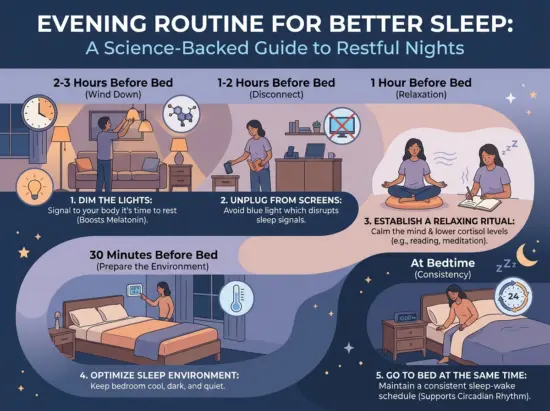
Sleep is your body’s time to heal and reset . Aim for 7-9 hours of quality sleep per night . A good, consistent sleep routine plays a major role in regulating body functions, enhancing concentration, and boosting immune efficiency .
4. Manage Screen Time
Average screen time has increased drastically, and studies show a significant relationship between screen time and physical health, including BMI . High screen time was observed in 41% of participants in one study, while only 2.9% had low screen time . Limiting screen time, especially before bed, is crucial for healthy sleep patterns and overall well-being .
5. Practice Self-Care and Mindfulness
Wellness is about showing up for yourself in realistic, sustainable ways . Simple practices like positive affirmations can reduce stress and build self-esteem . Taking time for hobbies, spending time in nature, and disconnecting from screens all support mental and emotional well-being .