Table of Contents
Welcome to HabitHack.fun, your ultimate destination for mastering the art and science of habit formation. We often believe that life-changing transformation requires dramatic, sweeping changes—quitting a job, moving to a new city, or completely overhauling our lifestyle overnight. The reality is far more subtle and, in many ways, more empowering: life-changing transformation is built on small, consistent habits that compound over time. This guide explores the most powerful habits that can quietly revolutionize your health, mindset, relationships, and overall quality of life.
The Philosophy of Lasting Change
The core premise of life-changing habits is beautifully captured by Admiral William H. McRaeven in his commencement speech: “If you want to change the world, start off by making your bed.” His point is profound—by beginning each day with a simple act of discipline and completion, you’ve already achieved your first success. That small win gives you momentum to tackle bigger challenges, and it reminds you that discipline in the little things builds strength for the bigger things.
The ancient philosopher Aristotle understood this well: “We are what we repeatedly do. Excellence, then, is not an act, but a habit.” This principle remains as relevant today as it was millennia ago—your identity is shaped not by your intentions but by your daily actions.
Keystone Habits: The Catalyst for Change
The concept of keystone habits, popularized by Charles Duhigg in The Power of Habit, is central to understanding how certain behaviors can trigger a cascade of positive changes. A keystone habit is a routine that, once established, creates a ripple effect, sparking other positive behaviors that you may not even be consciously trying to improve.
Exercise: The Ultimate Keystone Habit
Perhaps the most powerful keystone habit is regular physical activity. When people start exercising, they often begin to eat healthier, sleep better, drink more water, manage time more effectively, feel more motivated, experience less stress, and enjoy improved mood. According to researcher James Prochaska, when people start exercising regularly, they also become more productive, smoke less, and show more patience with colleagues and families. The habit of moving your body doesn’t just improve your physical fitness—it reshapes your entire identity. When you see yourself as “someone who works out,” everything else begins to align.
Morning Routines: Setting the Tone for Success
How you start your day sets the tone for everything that follows. A strong morning routine switches your brain out of reactive mode and into purposeful mode. Successful people across industries share this common habit: they wake up with intention rather than immediately reacting to notifications and messages.
Key elements of a life-changing morning routine include:
- Waking up early: Even 30 minutes earlier than usual gives you precious time for yourself before the demands of the day begin
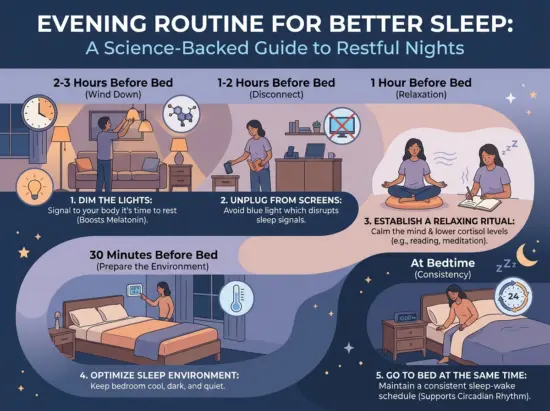
- Avoiding screens: Many high achievers are “militant” about not checking their phones first thing—they want to know what they think before the world tells them what to think
- Mindful moments: Taking quiet time for reflection, journaling, or meditation creates mental clarity
Life-Changing Habits to Cultivate

1. Practice Daily Gratitude
Gratitude is not just an emotion—it’s a perspective. Writing down three things you’re grateful for each day shifts your focus from what you lack to what you have. According to Maria Calva ViIlalon, an eight-year MDRT member, “Gratitude is not just an emotion; it’s a perspective. Writing down three things you are grateful for each day shifts your focus, allowing you to notice what you have rather than what you lack.”
Research suggests that actively absorbing and internalizing positive experiences can rewire the brain for greater resilience and optimism. When you end each day by recalling three good things that happened, you’re training your brain to focus on the positive, balancing out its natural negativity bias.
2. Read and Learn Continuously
Lifelong learning is a hallmark of people who achieve lasting success. Bill Gates famously advises: “Read, read, and read.” Reading books, listening to podcasts, and taking courses expands your knowledge and opens new perspectives.
The habit of continuous learning doesn’t require hours each day. Spending just 15 minutes learning something new—whether through a podcast, a book, or a course—can equip you with tools that transform your career and life. Growth is not always visible while it’s happening, but steady learning creates possibilities that are difficult to predict in advance.
3. Build Self-Trust Through Small Commitments
Self-trust is built through consistency—and it starts with keeping small promises to yourself. When you set goals but don’t follow through, it weakens your confidence in your ability to handle life. Conversely, when you keep even the smallest commitments to yourself, it builds inner trust and a strong foundation for bigger changes.
This is where the concept of “one small change” becomes transformative. Whether it’s drinking a glass of water first thing in the morning, setting aside 5 minutes for deep breathing, or making your bed each day, these small, realistic promises, when followed through consistently, build the self-trust needed for larger transformations. Repeated small commitments shape identity—you become someone who does what they say they will do.
4. Protect Your Energy and Set Boundaries
Learning to protect your energy is one of the most life-changing habits you can develop. Saying “yes” all the time often comes at a cost to your peace, focus, and self-respect. Boundaries may be uncomfortable initially because they can disappoint others, but over time, they create room for what truly matters.
Energy management also involves noticing what constantly drains you—whether it’s comparison, overstimulation, unresolved stress, or spending too much time around negativity. Awareness often comes before improvement, and paying attention to what repeatedly leaves you feeling heavy can become the beginning of change.
5. Start with Reflection, Not Reaction
Many people keep moving because stopping feels unfamiliar. But asking simple questions regularly—”What is working? What feels off? What needs attention?”—can prevent years from passing in autopilot mode.
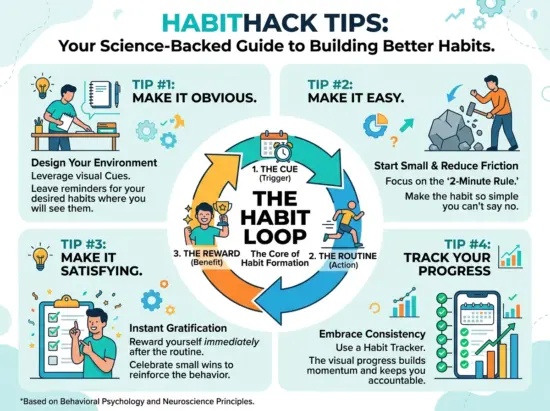
This is where a habits logbook or tracker becomes invaluable. Each time you successfully complete a habit, marking it with a tick provides visual accountability. At the end of the week, you can see exactly how consistent you’ve been. When your week is filled with ticks, you’ll know you’re making progress toward your goals.
6. Walk More and Move Naturally
Walking has a quiet way of clearing thoughts. Not every habit needs numbers attached to it—a walk without urgency, music, or multitasking may become one of the few spaces where the mind truly slows down.
Even small movements throughout the day can make a difference. Simple exercises like contracting and releasing your abdominal muscles, squeezing your shoulder blades together, or balancing on one foot can be done while standing in a hallway or waiting in line. These micro-movements strengthen your body, improve balance, and counteract the effects of sitting at a keyboard all day.
How to Make These Habits Stick
The most common mistake when trying to change your life is attempting too many changes at once. Instead, focus on one keystone habit that will create a cascade of positive changes.
The Power of Process Goals
Being process-oriented rather than results-oriented may actually lead to better long-term results. Your clients may be looking for immediate results, but helping them learn, grow, and progress in multiple areas of health and wellness requires focusing on the process. Adaptation is a process—and understanding that keystone habits like exercise can trigger other healthy behaviors is essential for lasting change.
The “Never Miss Twice” Principle
Here’s the truth: you will miss days. You’ll skip workouts, forget to journal, or abandon your goals. The difference between people who thrive and those who quit is forgiveness. Psychologists emphasize that self-forgiveness reduces stress and helps you re-engage with goals. Instead of spiraling into guilt, treat slip-ups like learning experiences.
Self-Compassion Over Self-Criticism
Change tends to last longer when it comes from care rather than criticism. Growth built only on pressure can become exhausting—growth built with patience often stays. Speak to yourself with the same patience you would offer someone you love.