Table of Contents
Welcome to HabitHack.fun, your trusted resource for mastering personal growth and productivity. Motivation is the engine that drives us to take action, pursue goals, and overcome obstacles. Yet, nearly 85% of people report struggling with motivation at some point—and for good reason. Motivation isn’t a switch you can flip on; it’s a complex interplay of emotions, biology, and environment that requires active cultivation and maintenance. This comprehensive guide explores what motivation really is, why it fluctuates, and how to apply science-backed strategies to find and sustain your drive.
Understanding Motivation: More Than Just a Feeling
Before diving into strategies, it’s essential to understand what motivation is. Motivation is the internal and external drive that initiates, guides, and sustains goal-oriented behavior. It’s the “why” behind our actions. Research shows that people who are highly motivated are 3.4 times more likely to achieve their goals.
The Neuroscience of Motivation
Motivation is not a single emotion but a complex cognitive process that originates in the brain’s reward system. A key player is dopamine, often called the “feel-good” neurotransmitter. When you anticipate a reward, your brain releases a small amount of dopamine, creating a feeling of pleasure. Over time, the anticipation of the reward, not the reward itself, becomes the primary driver of motivated action. This is why imagining your success can feel almost as good as achieving it—your brain is flooded with dopamine. However, if you become habituated to a reward, the dopamine response diminishes, which is why you need to continuously set new challenges to keep your motivation high.
Another important factor is that motivation peaks at different times of the day depending on your chronotype. Your “biological prime time”—the period when you are naturally most alert and focused—is the best time to tackle your most important tasks. For most people, this occurs around 10am and again at 2-3pm.
The Difference Between Intrinsic and Extrinsic Motivation

Understanding the two main types of motivation is crucial for developing effective strategies:
- Intrinsic Motivation: This comes from within. You do something because you find it inherently rewarding—it’s interesting, enjoyable, or aligns with your values.
- Extrinsic Motivation: This comes from external sources. You do something because of external rewards (like money, praise, or grades) or to avoid punishment.
Research consistently shows that intrinsic motivation is more powerful and sustainable. It leads to greater engagement, creativity, and persistence. However, extrinsic motivation can be useful for jumpstarting behaviors that lack inherent appeal.
Common Misconceptions About Motivation
- Myth 1: Motivation leads to action. Actually, action often leads to motivation. Starting a task, even if you don’t feel like it, can create momentum and generate motivation.
- Myth 2: You need to feel motivated to start. You don’t. Discipline and systems can carry you through times of low motivation.
- Myth 3: Motivation is about being positive. It’s more about being purposeful. It’s about connecting your actions to a meaningful outcome.
Core Motivation Strategies
1. Connect to a Strong “Why”
When motivation wanes, it’s often because you’ve lost sight of why your goal matters. To reconnect, ask yourself:
- Why is this goal important to me?
- Who will benefit from my success?
- What will my life look like when I achieve this?
This practice of “purpose-driven goal setting” makes your goal personal and emotionally resonant. It shifts your focus from the effort involved to the meaningful outcome you are working toward.
2. Set Process Goals, Not Just Outcome Goals
One of the most effective ways to maintain motivation is to focus on the process rather than the outcome. Outcome goals (like “I want to run a marathon”) can feel daunting and overwhelming. Process goals (like “I will run for 30 minutes three times a week”) are about the actions you can control. This approach makes your goal feel more achievable and keeps you motivated by providing consistent wins.

3. Use the “10-10-10” Rule
This simple tool helps you gain perspective when faced with a difficult decision or a dip in motivation. Ask yourself:
- How will I feel about this in 10 minutes?
- How will I feel about this in 10 months?
- How will I feel about this in 10 years?
This exercise can help you prioritize long-term satisfaction over short-term gratification and reignite your motivation to make the right choice.
4. Break Down the Challenge
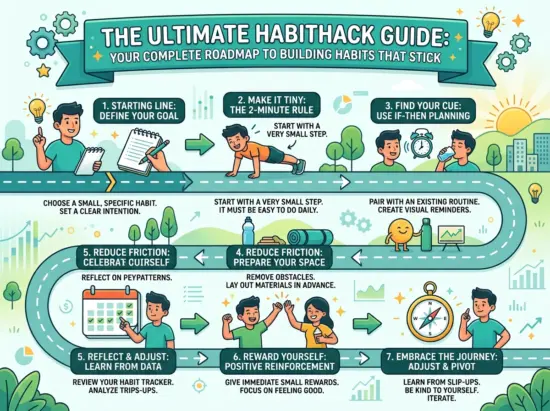
Feeling overwhelmed is a major motivation killer. To avoid this, break your goal into micro-steps. This is the principle behind the Two-Minute Rule: if a task takes less than two minutes, do it immediately. For larger tasks, break them down until your first step feels manageable.
5. Create a Reward System
Immediate rewards are powerful motivators. When you complete a step, reward yourself with something you enjoy. This could be a five-minute break, a favorite snack, or an episode of your favorite show. By pairing effort with immediate pleasure, you train your brain to associate the task with a positive feeling, making you more likely to repeat it.
6. Build Accountability
Accountability is the link between intention and action. You can build it by telling someone about your goal, joining a group with similar aspirations, or setting up regular progress reviews. An accountability partner can provide encouragement, but even the imagined pressure of having to report your progress can be a powerful motivator.
7. Anticipate Obstacles
Life is unpredictable. One of the best ways to stay motivated is to anticipate potential obstacles and prepare for them. This is the essence of “if-then” planning: “If [obstacle X occurs], then I will [do Y].” This strategy, also known as implementation intentions, bypasses the need for decision-making in the moment, making it more likely you’ll stick to your plan.
8. Visualize Success
Mental rehearsal—vividly imagining yourself achieving your goal—can be a powerful motivator. Spend a few minutes each day visualizing the process, not just the outcome. Imagine the steps you’ll take and how you’ll feel when you overcome challenges. This practice primes your brain for success.
9. Manage Your Environment
Your environment has a powerful effect on your motivation. To boost it, design your workspace to minimize distractions and cue positive behaviors. For example, if you want to eat healthier, put a fruit bowl on your counter. If you want to exercise, lay out your workout clothes the night before.
10. Reflect on Past Successes
When motivation flags, look back at past accomplishments. Ask yourself: “What did I do to overcome that challenge?” This builds a reservoir of confidence and resilience. Reminding yourself of your capability in past situations can provide the boost you need to tackle the current one.
11. Build a Morning Routine
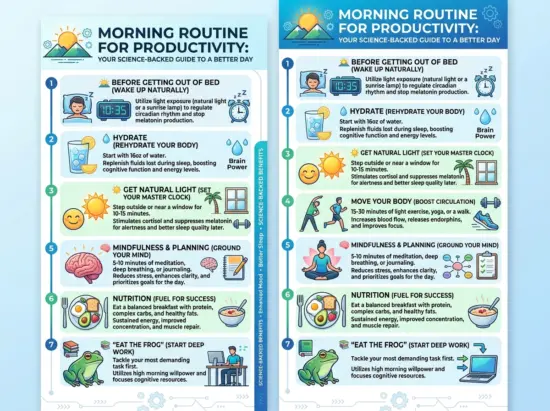
A strong morning ritual is a classic strategy for high performers. It helps you start the day with intention and momentum. A morning ritual can be as simple as 15 minutes of movement, 15 minutes of reading, and 15 minutes of planning.
12. The “One More” Approach
This is a powerful way to use momentum to break through procrastination and build motivation. When you’re feeling like you want to stop, challenge yourself to do just “one more.” One more email. One more minute of exercise. One more page of reading. This small push often leads to a much bigger burst of effort.
13. Tap into the 5-Second Rule
When you feel an impulse to act on a goal, count down “5, 4, 3, 2, 1” and physically move. This interrupts your brain’s tendency to overthink and sends you into action before your mind can talk you out of it.
14. Learn to Forgive Yourself
Self-compassion is crucial for maintaining motivation. Perfectionism is a motivation killer. If you slip up, forgive yourself and get back on track. Research shows that students who forgive themselves for procrastinating are less likely to procrastinate on their next exam. Beating yourself up only fuels negative emotions and makes you less likely to persist.
Overcoming Common Motivation Traps
The “Low Motivation” Trap
The most common trap is believing you need to “feel motivated” to start. But motivation often follows action, not the other way around. The solution is to just start, even if you’re not feeling it. The act of doing generates momentum, which can then generate motivation.
The “Comparison” Trap
Social media makes it easy to compare our behind-the-scenes struggles with others’ highlight reels. This can be a huge motivation killer. To overcome this, focus on your own journey. Use your past self, not others, as your benchmark for progress.
The “Burnout” Trap
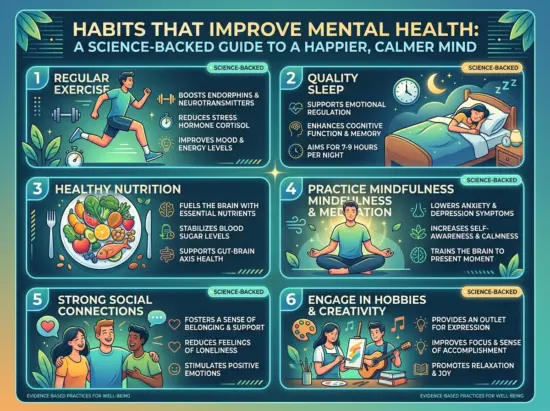
Finally, recognize that self-care is a non-negotiable component of motivation. You cannot sustainably push yourself without adequate rest, nutrition, and exercise. Neglecting these basics drains your energy and lowers your motivation.