Table of Contents
Welcome to HabitHack.fun, your trusted resource for mastering the art of habit formation. Healthy eating is one of the most powerful habits you can build. It provides the energy and nutrients you need to stay healthy, keeps your heart beating, your brain active, and your muscles working . A balanced diet can also help you manage and reduce the risk of many health problems, including heart disease, high blood pressure, type 2 diabetes, and some types of cancer .
This comprehensive guide explores the core principles of healthy eating and provides actionable strategies to build habits that last.
What Does Healthy Eating Really Mean?
Healthy eating means regularly consuming nutritious foods, including a variety of vegetables, fruits, whole grains, and protein foods . It’s not about strict diets or giving up all the foods you like . It’s about balance, variety, and moderation .
The scientific rationale behind healthy eating is grounded in three fundamental principles: variety, balance, and moderation :
- Variety: Eating a wide range of foods across and within food groups helps ensure you get all the nutrients you need .
- Balance: Consuming foods in the right proportions relative to each other helps reduce the risk of diet-related diseases .
- Moderation: Limiting foods that may be detrimental to health, such as those high in added sugar, salt, and unhealthy fats .
The Planetary Health Diet: A Framework for Health and Sustainability
The Planetary Health Diet, developed by the 2025 EAT-Lancet Commission, emphasizes minimally processed plant foods while allowing for moderate amounts of meat and dairy . This dietary pattern focuses on fruits, vegetables, nuts, legumes, and whole grains, with very little added sugar, saturated fat, and salt . It is associated with reducing chronic diseases, including cancer and neurodegenerative diseases .
How to Build Healthy Eating Habits That Stick
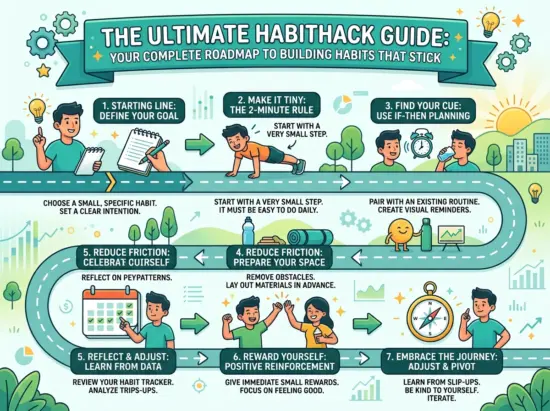
Building healthy eating habits is a process, not a destination. You don’t need to make huge changes overnight. Over time, small changes can make a big difference . Start by focusing on adding healthy foods rather than just taking unhealthy foods away . The key is to make changes you can live with and enjoy for the rest of your life .
Here are some practical strategies to make healthy eating a consistent part of your life:
1. Start with Your “Why”
Having a personal reason for wanting to eat healthier is crucial for long-term success . Ask yourself:
- Do you want to feel better and have more energy?
- Do you want to improve your health?
- Do you want to prevent or treat health problems?
- Do you want to set a good example for your family?
Write down your reasons and revisit them to stay motivated.
2. Start Small and Be Specific
Instead of vague goals like “eat healthier,” focus on specific, achievable changes . For example:
- “I will add one serving of vegetables to my dinner plate every day.”
- “I will switch from white rice to brown rice.”
- “I will drink a glass of water instead of a sugary soda at lunch.”
3. Power Your Plate with Whole Foods

Focus on building your meals around nutrient-dense, minimally processed foods:
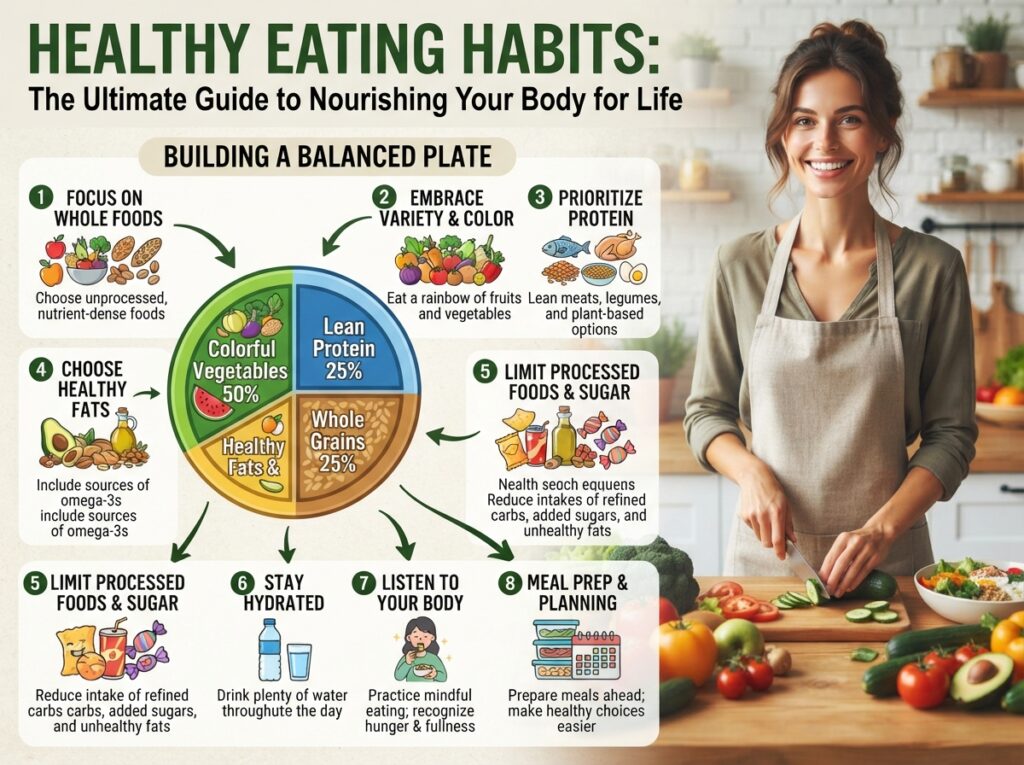
- Fill half your plate with fruits and vegetables: They provide essential vitamins, minerals, and fiber . Aim for a colorful variety to get different nutrients .
- Choose whole grains: Opt for whole wheat bread, brown rice, oats, and quinoa instead of refined grains .
- Include healthy sources of protein: Shift from meat to plant sources like beans, peas, lentils, and nuts . Regularly consume fish and seafood . If you eat meat, choose lean cuts and minimize processed forms .
- Incorporate healthy fats: Use non-tropical liquid plant oils like olive, canola, or soybean oil instead of butter, lard, or tropical oils .
4. Limit What to Limit
While it’s okay to enjoy your favorite foods in moderation, try to limit the following:
- Added Sugars: Limit free sugars to less than 10% of total daily energy intake (about 50g for a 2000-calorie diet) . Sugary drinks are the most important to avoid .
- Sodium (Salt): Limit salt intake to less than 5 grams per day . Most salt comes from processed foods, so learn to read food labels .
- Saturated and Trans Fats: Limit saturated fat to less than 10% of total energy intake and avoid industrially-produced trans fats . Choose unsaturated fats instead.
- Processed Meats: Minimize intake of processed and fatty red meats .
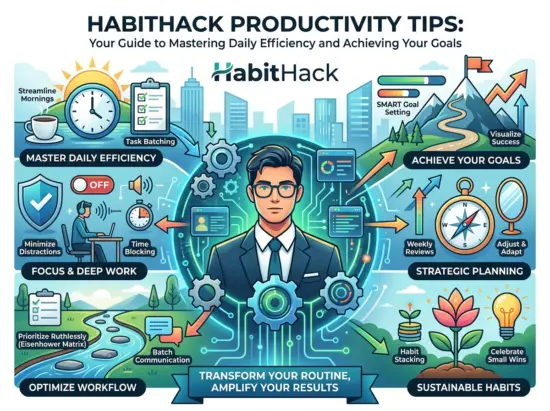
5. Use Habit Stacking for Success
Habit stacking is a powerful technique where you link a new habit to an existing one. This method can be particularly effective for building healthy eating habits:
- “After I pour my morning coffee, I will put a portion of fruit on my plate for breakfast.”
- “Before I eat a meal, I will drink a glass of water.”
- “While I’m cooking dinner, I will prepare extra vegetables for tomorrow’s lunch.”
6. Practice Mindful Eating
Mindful eating can help you develop a healthier relationship with food . Try these strategies:
- Listen to your body’s hunger and fullness cues .
- Eat slowly and savor each bite .
- Avoid distractions like TV or smartphones during meals .
7. Plan Ahead
Planning your meals and snacks helps you make healthier choices and avoid last-minute unhealthy options .
- Stock up on ingredients for quick, healthy meals .
- Pack a healthy lunch and snacks for work.
- Keep a list of go-to healthy recipes.
8. Don’t Let Perfectionism Get in the Way
The goal is progress, not perfection. If you have an unhealthy meal, don’t beat yourself up. Just get back on track with your next meal. Dr. Walter Willett, a leading nutrition expert at Harvard, emphasizes that eating healthy “must be something that they enjoy. It can’t be punishment” .
Getting Support
You can get help from others to change how you eat . See if any neighbours or co-workers want to change how they eat. You could join a healthy-eating class or support group, or look for online forums and chat rooms .