Table of Contents
Welcome to HabitHack.fun, your trusted resource for building habits that unlock your full potential. Job success isn’t about luck or natural talent—it’s about the daily habits that shape how you work, learn, and connect with others. Research suggests that around 43% of our daily actions are performed out of habit, meaning by consciously designing your routines, you can set yourself up for career success . This guide explores the key habits that can help you not just survive but thrive in your career.
The Foundations of Job Success
Before diving into specific habits, it’s helpful to understand what underpins career success. According to the National Association of Colleges and Employers (NACE), eight core competencies are valued by employers across industries: career and self-development, communication, critical thinking, equity and inclusion, leadership, professionalism, teamwork, and technology . These competencies reflect your ability to communicate effectively, collaborate, solve problems, and manage your career with confidence and integrity .
But competencies alone aren’t enough. Success also depends on foundational habits—behaviors that support long-term growth by helping you acquire skills that build on each other over time . And because the World Economic Forum estimates that 44% of core skills will change by 2027, the professionals who succeed will be those who commit to lifelong learning .
Core Job Success Habits
1. Take Ownership and Be Persistent
One of the most important habits for career success is taking personal accountability for your own progress. As one executive coach puts it, “Managing your career is your job and your job alone. You should seek help… but ultimately your progress is a function of your attitude, the skills you add to your ‘toolbox’ and the grit you show in relentlessly showing up” .
How to build this habit:
- When you see a problem, take ownership—even if it’s beyond your direct control. Frame the issue, communicate it, and suggest paths to resolution .
- Look for the 80/20 opportunities—the 20% of work that can make 80% of the impact .
- Reddit CEO Steve Huffman credits much of his success to a habit he picked up in his 20s: acting quickly and often on his goals. His mantra: “You aren’t who you are, you are what you do” .
2. Build Visibility and Make Your Work Known
Doing great work is important, but assuming it will speak for itself is a mistake . May Busch, a former COO at Morgan Stanley, learned this the hard way when a promotion she expected didn’t happen—her boss backed her, but when he took her case to the committee, no one else knew who she was .
How to build this habit:
- Keep key stakeholders in the loop with a weekly update email: three bullet points on what you achieved, what’s in motion, and what’s next .
- Speak up in meetings. Say “yes” before you feel completely ready .
- Profile enhancement—making your boss and others aware of your accomplishments—has been linked to receiving more training, feedback, and career opportunities .
3. Build and Nurture Professional Relationships
Neglecting relationships is another habit that quietly stalls careers. When you wait until you need something, it’s often too late . Success increasingly depends on collaboration, support, and being part of the right circles—both inside and outside your organization .
How to build this habit:
- Incorporate relationship building into your schedule—getting to a meeting early to chat, showing up to events you might have skipped, or sending a link to an article to a colleague .
- Networking is linked to higher career satisfaction and earnings .
- Build relationships with people ahead of when you need them .
4. Practice Professionalism and Reliability
Especially early in your career, professionalism and diligence have outsize significance in how you’re perceived . As one Harvard expert advises: show up on time, take notes in meetings, deliver assignments when you say you will. Don’t let the “boring stuff” get overlooked .
How to build this habit:
- Meet deadlines consistently and maintain attendance .
- Demonstrate dependability—report consistently for work and meetings .
- Pay attention to details. In one example, a junior partner realized a client preferred memos over PowerPoints, so he repackaged the content—and it clicked .
- Read the room—take in details from “superficial things like what people are wearing to what the relationships are” .
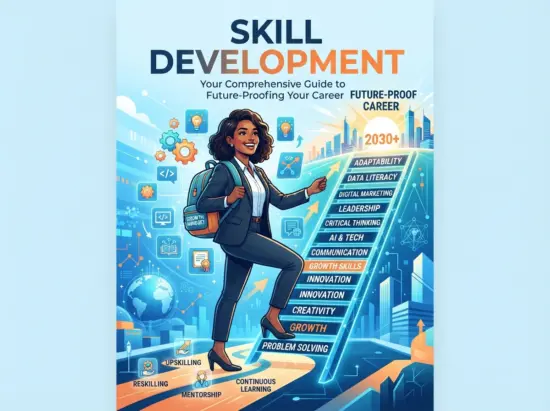
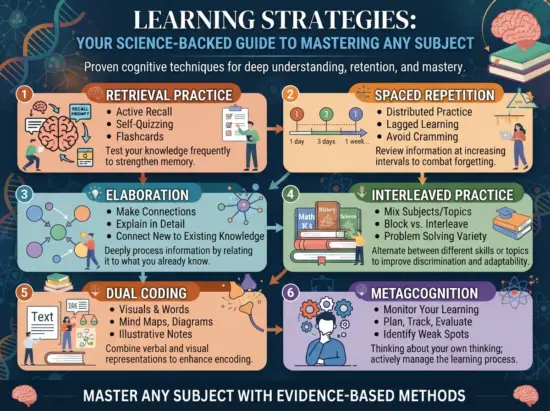
5. Embrace Continuous Learning and Skill Development
The professionals who succeed in the next decade will be those who commit to lifelong learning . This means developing both technical skills and soft skills like collaboration, creative thinking, and resilience .
How to build this habit:
- Audit your skills: Take time to understand the skills you have and what you might be missing .
- Use micro-learning: Listen to podcasts on your commute, read a few pages of an industry book each day, or take online courses through platforms like Coursera or LinkedIn Learning .
- Teach yourself to be a lightning-fast learner: Being nimble is a big competitive advantage when the business landscape is shifting fast .
6. Manage Your Energy, Not Just Your Time
Sustainable career success requires taking care of your body and mind. Regular exercise enhances cognitive function, focus, and emotional resilience . Quality sleep enhances decision-making, creativity, and stress management .
How to build this habit:
- Establish a daily routine that includes physical activity and adequate rest .
- Set boundaries between work and personal life—scheduling breaks, social time, and hobbies improves productivity and prevents mental fatigue .
- Practice mindfulness—even 10 minutes of deep breathing or meditation per day can enhance emotional intelligence and decision-making skills .
7. Challenge Limiting Beliefs
Limiting beliefs are the internal stories that hold us back: “I’m not ready yet,” “Someone like me wouldn’t get that opportunity,” or “I don’t have anything interesting to say” . Negative beliefs about yourself can hinder you not just in your life but in your career .
How to build this habit:
- Name it to change it. Notice where you feel stuck or hesitant—that’s often where a limiting belief is hiding .
- Identify it, challenge it, and make a new choice .
- Replace negative expressions with positive ones in your speech. Using positive and motivational expressions instead of negative and demotivating ones can be truly transformative .
8. Finish What You Start
The ability to finish what you start without procrastination brings benefits beyond productivity—it’s good for your mental comfort, too . The habit of completing tasks helps avoid the accumulation of unfinished assignments, which can create stress and reduce your personal efficiency .
How to build this habit:
- Create to-do lists with tasks you need to execute and check off completed items .
- Set specific deadlines for each task .
- Review your goals and tasks regularly to assess progress and adjust your action plan .
How to Make These Habits Stick
Building new habits can be challenging, but there are proven strategies to help you succeed.
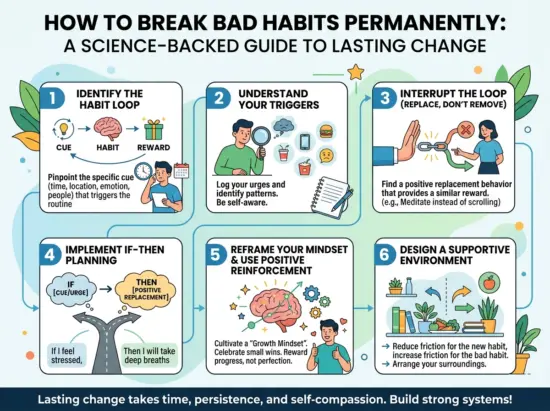
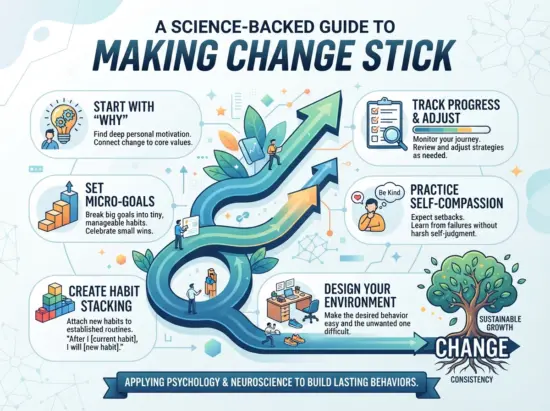
Understand the habit loop: Habits follow a three-step process—cue, routine, reward. By understanding and manipulating this loop, you can change your habits . For example, to change the habit of procrastinating on important tasks, recognize that the cue is often a feeling of overwhelm, the routine is reaching for your phone, and the reward is temporary relief. Replace the routine with a structured, manageable task .
Use habit stacking: Tie new habits to existing ones to make them easier to adopt . For example, if you drink a cup of coffee every morning, stack on a new habit by reading five pages of a professional book at the same time .
Start small and be consistent: Professional growth is seldom about grand gestures—it’s about bite-sized habits that help you maintain progress and gain momentum over time .