Table of Contents
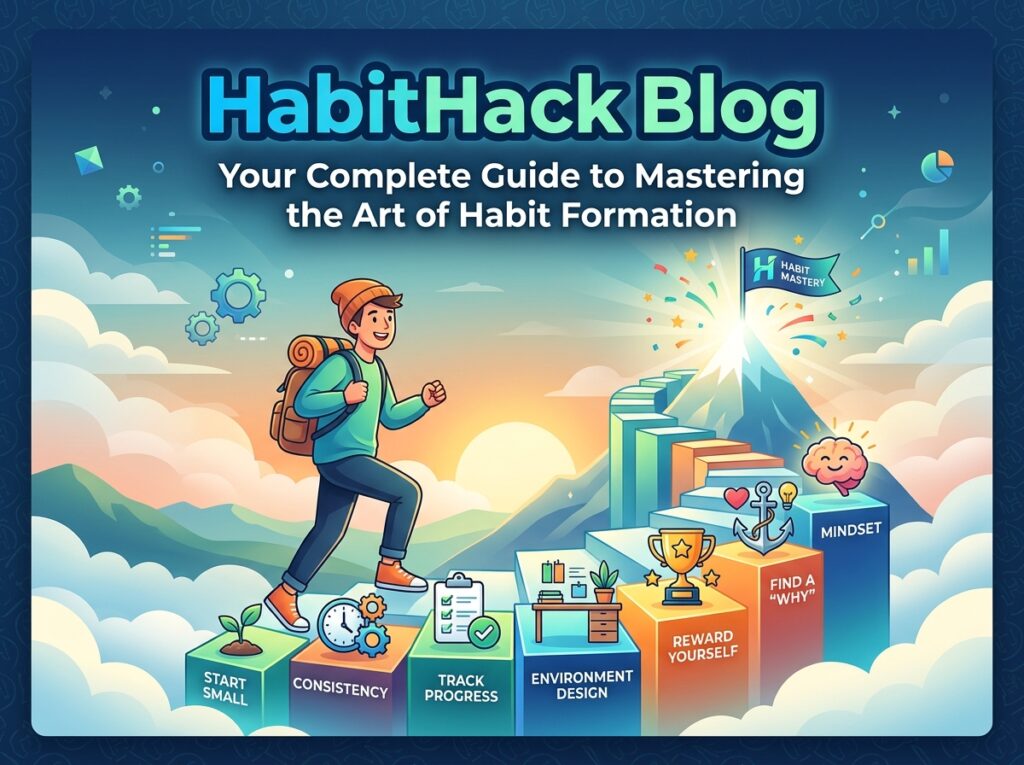
Welcome to the HabitHack Blog, your ultimate resource for mastering the art of habit formation and personal growth. Whether you are just beginning your journey toward self-improvement or you are a seasoned habit-tracker looking for fresh strategies, you have come to the right place. Our mission is to provide science-backed insights, practical tips, and a supportive community to help you design and build the life you actually want through consistent, effective action .
What is HabitHack?
HabitHack was born out of a personal need. The creator, like many others on the path of self-improvement, struggled to stay consistent with new habits . They tried countless habit tracker apps but found them to be too cluttered, too distracting, or too focused on selling products. What they wanted was simple: a clean, functional tool to help them stay disciplined and focused on the things that really matter .
So, instead of continuing to consume, they decided to start creating . The result is a minimalist approach to habit-building—an app that gives users everything they need and nothing they don’t . The goal isn’t to gamify your life; it’s to make it easier to show up every single day . The app was built using Bolt.new for the frontend and Supabase for backend functionality, with a focus on a smooth, clean user experience .
The Core Philosophy of HabitHack
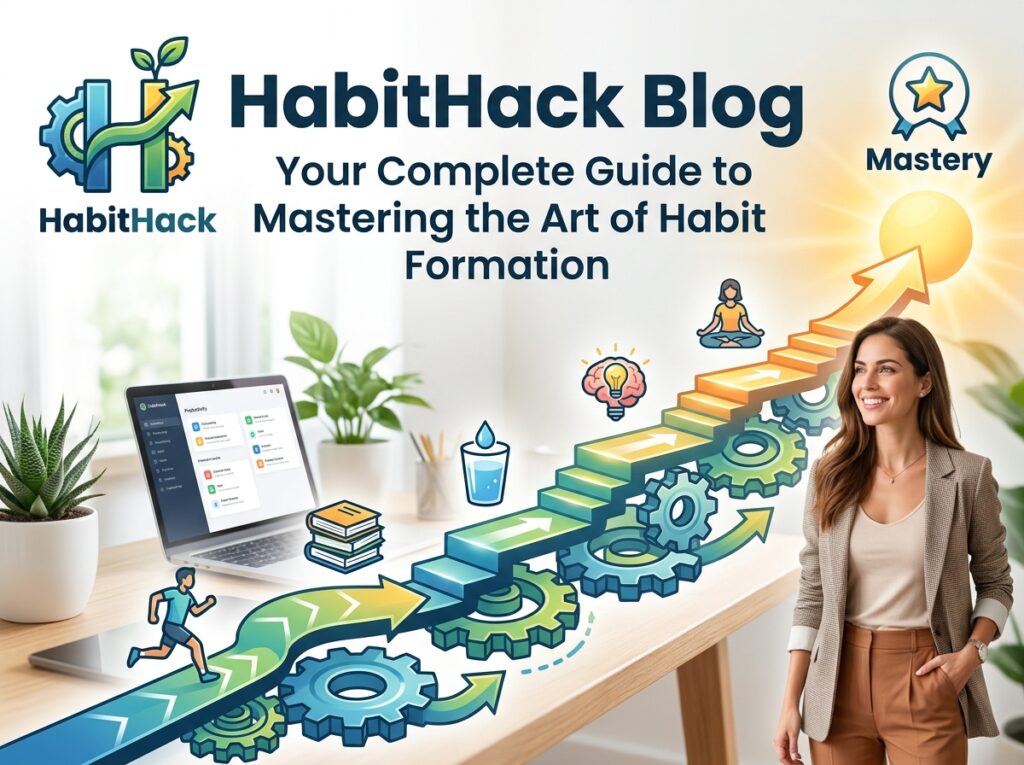
At the heart of HabitHack is the belief that lasting change comes from small, consistent actions. As Mike Michalowicz, author of several business books, emphasizes, “We’re all good people. And I’m a good guy. My habits, however, needed improving” . This simple realization is often the first step toward transformation.
The Habit Loop
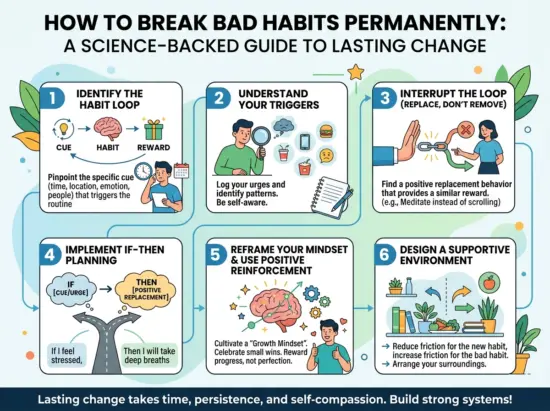
Understanding how habits work is the foundation of any successful change. The habit loop consists of four stages: cue, craving, response, and reward . Here’s how the framework works:
- Cue (Trigger): The signal that initiates the habit, such as opening your laptop and immediately checking social media .
- Craving: The desire behind the action, like wanting a quick mental break .
- Response: The actual behavior, such as scrolling through your feed .
- Reward: The temporary satisfaction, like a hit of dopamine .
To change your habits, you can apply these four strategies :
- Make cues obvious: Schedule dedicated learning time and set up environmental cues.
- Boost cravings: Visualize your progress, track your goals, and find communities of like-minded people.
- Simplify responses: Minimize distractions and use focused work tools.
- Reward yourself wisely: Celebrate achievements and connect your learning to real-world goals.
The Power of Small Changes
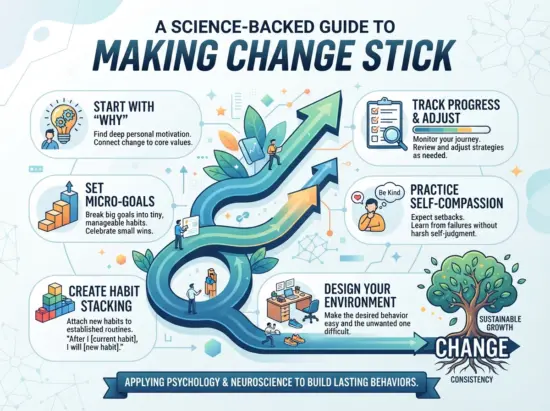
One of the most effective techniques for building new habits is habit stacking. Instead of trying to start from scratch, you attach a new habit to something you already do every day . For example, you might make your morning coffee a ritual that includes a moment of mindfulness, or you could add a brief learning session to your daily commute. These small adjustments are much easier to stick with because they blend seamlessly into your existing routine .
Key Habits to Kickstart Your Journey
Here are some powerful habits to consider building, based on the science of habit formation:
1. Make Your Bed Every Morning
This simple act is often underestimated but has a profound impact on your productivity and mood . It provides a “small win” first thing in the morning, building momentum and a sense of accomplishment that carries through the day .
2. Use the Pomodoro Technique for Maximum Focus
Productivity comes and goes in waves, but techniques like the Pomodoro Technique can help you maximize your output . This method involves working in focused 25-minute intervals followed by short breaks, helping you maintain concentration without burning out .
3. Practice Mindfulness and Self-Awareness
Mindfulness is crucial for breaking bad habits and forming better ones . By increasing your awareness, you can identify your triggers and be more intentional with your actions . For example, one person who wanted to work out more placed their sneakers on the toilet seat the night before so that they would have to move them in the morning, reminding them to exercise . This type of environmental design is a classic habit hack.
4. Listen to Podcasts for Daily Learning
Listening to podcasts is a wonderful way to stay up-to-date with knowledge without having to carve out extra time to read . There are countless great podcasts available, making it easy to find content that inspires and educates you .
Community and Connection
Building habits is often easier when you have a support system. The “Habit Hacked” podcast, for example, fosters a thriving community that helps you leverage your habits to design the life you want . It encourages listeners to join Facebook groups, find accountability partners, and even participate in mastermind sessions . As the podcast notes, “Think you ‘don’t know enough’ to launch your own blog, podcast or website? Think again” . The community is about empowering you to take action.Welcome to the HabitHack Blog, your ultimate resource for mastering the art of habit formation and personal growth. Whether you are just beginning your journey toward self-improvement or you are a seasoned habit-tracker looking for fresh strategies, you have come to the right place. Our mission is to provide science-backed insights, practical tips, and a supportive community to help you design and build the life you actually want through consistent, effective action .
What is HabitHack?
HabitHack was born out of a personal need. The creator, like many others on the path of self-improvement, struggled to stay consistent with new habits . They tried countless habit tracker apps but found them to be too cluttered, too distracting, or too focused on selling products. What they wanted was simple: a clean, functional tool to help them stay disciplined and focused on the things that really matter .
So, instead of continuing to consume, they decided to start creating . The result is a minimalist approach to habit-building—an app that gives users everything they need and nothing they don’t . The goal isn’t to gamify your life; it’s to make it easier to show up every single day . The app was built using Bolt.new for the frontend and Supabase for backend functionality, with a focus on a smooth, clean user experience .
The Core Philosophy of HabitHack
At the heart of HabitHack is the belief that lasting change comes from small, consistent actions. As Mike Michalowicz, author of several business books, emphasizes, “We’re all good people. And I’m a good guy. My habits, however, needed improving” . This simple realization is often the first step toward transformation.
The Habit Loop
Understanding how habits work is the foundation of any successful change. The habit loop consists of four stages: cue, craving, response, and reward . Here’s how the framework works:
- Cue (Trigger): The signal that initiates the habit, such as opening your laptop and immediately checking social media .
- Craving: The desire behind the action, like wanting a quick mental break .
- Response: The actual behavior, such as scrolling through your feed .
- Reward: The temporary satisfaction, like a hit of dopamine .
To change your habits, you can apply these four strategies :
- Make cues obvious: Schedule dedicated learning time and set up environmental cues.
- Boost cravings: Visualize your progress, track your goals, and find communities of like-minded people.
- Simplify responses: Minimize distractions and use focused work tools.
- Reward yourself wisely: Celebrate achievements and connect your learning to real-world goals.
The Power of Small Changes
One of the most effective techniques for building new habits is habit stacking. Instead of trying to start from scratch, you attach a new habit to something you already do every day . For example, you might make your morning coffee a ritual that includes a moment of mindfulness, or you could add a brief learning session to your daily commute. These small adjustments are much easier to stick with because they blend seamlessly into your existing routine .
Key Habits to Kickstart Your Journey
Here are some powerful habits to consider building, based on the science of habit formation:
1. Make Your Bed Every Morning
This simple act is often underestimated but has a profound impact on your productivity and mood . It provides a “small win” first thing in the morning, building momentum and a sense of accomplishment that carries through the day .
2. Use the Pomodoro Technique for Maximum Focus
Productivity comes and goes in waves, but techniques like the Pomodoro Technique can help you maximize your output . This method involves working in focused 25-minute intervals followed by short breaks, helping you maintain concentration without burning out .
3. Practice Mindfulness and Self-Awareness
Mindfulness is crucial for breaking bad habits and forming better ones . By increasing your awareness, you can identify your triggers and be more intentional with your actions . For example, one person who wanted to work out more placed their sneakers on the toilet seat the night before so that they would have to move them in the morning, reminding them to exercise . This type of environmental design is a classic habit hack.
4. Listen to Podcasts for Daily Learning
Listening to podcasts is a wonderful way to stay up-to-date with knowledge without having to carve out extra time to read . There are countless great podcasts available, making it easy to find content that inspires and educates you .
Community and Connection
Building habits is often easier when you have a support system. The “Habit Hacked” podcast, for example, fosters a thriving community that helps you leverage your habits to design the life you want . It encourages listeners to join Facebook groups, find accountability partners, and even participate in mastermind sessions . As the podcast notes, “Think you ‘don’t know enough’ to launch your own blog, podcast or website? Think again” . The community is about empowering you to take action.