Table of Contents
Welcome to HabitHack.fun, your trusted resource for mastering the art of personal growth. Self-improvement isn’t about grand gestures or dramatic transformations—it’s about small, consistent actions that compound over time . Research shows that practicing gratitude for just 15 minutes a day can improve mental wellness and create lasting perspective shifts . This guide brings together science-backed self-improvement tips to help you grow intentionally.
The Core Principles of Self-Improvement
Growth isn’t accidental—it’s designed. If you remember nothing else, remember these principles: clarity beats intensity, consistency beats motivation, environment beats willpower, and direction beats speed .
Understanding Why Self-Improvement Fails
Many people consume advice but don’t translate it into systems. They set goals but lack the structure to achieve them. The key shift? Stop asking “How do I feel about this today?” and start asking “What does my system say I do next?”
Practical Self-Improvement Tips
1. Start Your Day with Intention
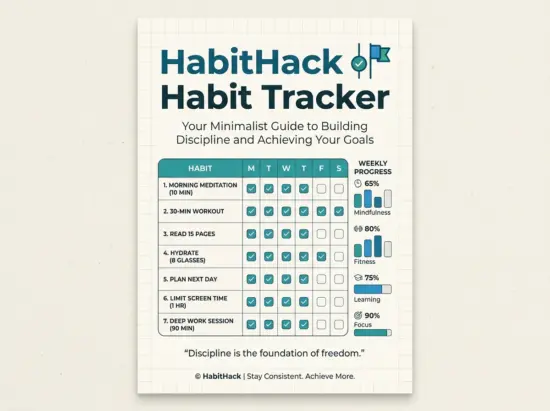
The first minutes of your day can be the most impactful. Schedule a quiet moment—whether meditation, affirmations, or journaling—for the first 15 minutes of your day .
Simple morning habits:
- Ask yourself: “What kind of presence do I want to bring into today?”
- Write down your top 3 priorities for the day
- Take 5 minutes to journal before checking your phone
2. Build Self-Awareness Through Journaling
Self-reflection leads to self-improvement . Journaling helps you track your personal development and unpack your thoughts . It can reveal behaviors you want to change and motivate you to take action .
Journaling tips:
- Write without censoring yourself—don’t judge what comes out
- Record your thoughts and feelings regularly
- Go back to read your journal entries weeks or months later—it becomes a “blueprint of your life”
3. Practice Gratitude Daily
Research published in the Journal of Happiness Studies found that practicing gratitude for 15 minutes a day, five days per week for six weeks, can improve mental wellness and contribute to lasting change in perspective .
Ways to practice gratitude:
- Write down three things you’re grateful for each day
- Notice small, everyday things that make you happy
- Consider writing a letter of thanks to someone you appreciate
4. Prioritize Physical Health
Your mind cannot thrive in a neglected body. Lack of sleep, poor nutrition, and sedentary living will take their toll . Regular physical activity helps you feel better, function better, and sleep better .
Simple health habits:
- Get at least 7 hours of mostly uninterrupted sleep
- Take a 20-minute walk daily
- Eat a diet focused on unprocessed, whole foods
- Drink enough water—it’s linked to decreased risk of anxiety and depression
5. Read and Learn Continuously
Personal development requires continuous input—reading, listening, observing, and applying new knowledge . Reading introduces you to new perspectives and helps you develop empathy .
Learning habits:
- Read 10 pages per day
- Listen to podcasts on your drive to work
- Challenge yourself to read one page before checking your phone
6. Use Habit Stacking
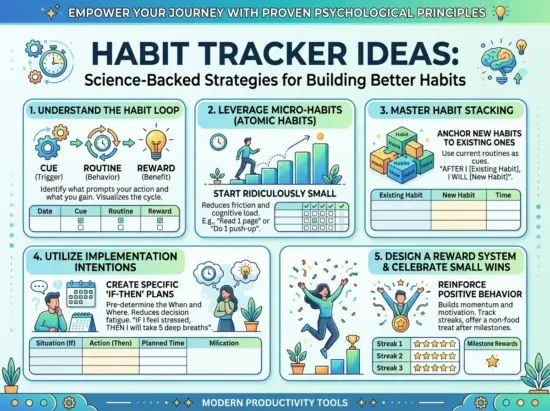
Habit stacking helps new habits stick by taking advantage of the connectedness of human behavior . The formula is simple: After I [habit you already have], I will [new habit] .
Examples:
- After I pour my morning coffee, I will spend 5 minutes on my top priority
- After I brush my teeth, I will do 10 squats
- After I get up and brush my teeth, I will immediately put on my workout clothes
7. Start Small and Be Consistent
Starting small makes your journey feel more achievable . The “Two-Minute Rule” suggests doing a new habit for just two minutes to make it easier to fit into your daily routine . If you miss a day, don’t beat yourself up—the most important thing is to get back into the routine as quickly as you can .
Key mindset shifts:
- Aim for 1% better, not perfect
- Focus on identity, not outcomes. Ask: “What would a grounded, growth-oriented person do today?”
- Set small goals to build momentum
8. Design Your Environment
Environment beats willpower . Make the habit easier than not doing it . Your surroundings should support your goals .
Environment tips:
- Keep your physical and mental environment tidy to reduce stress and improve focus
- Place recycling bins near each person’s desk to make the desired behavior easier
- Remove or reduce distractions like social media notifications
9. Practice Mindfulness and Meditation
Meditation is a great way to slow down in a busy world . Even a few minutes a day can help you better yourself and improve your mental health . Studies show meditation can improve anxiety, depression, and pain scores .
Mindfulness practices:
- Meditate for 5 minutes using an app like Headspace
- Pause and count to 3 before responding
- Be mindful of your triggers and behaviors
10. Build Discipline Over Motivation
Motivation is fleeting—discipline is dependable . Don’t wait for inspiration to strike. As Stephen King said, “Amateurs sit and wait for inspiration. The rest of us just get up and go to work” .
Building discipline:
- Treat non-negotiables as promises you keep with yourself even when motivation is low
- When things go wrong, ask: “What’s my next move?” instead of dwelling on failure
- Remember that consistent actions compound over time and reshape your identity
The Non-Negotiables of Personal Growth
If you want to thrive, certain practices must become part of your daily life :
- Self-honesty: You cannot improve what you are unwilling to acknowledge
- Daily reflection: Set time aside every day to reflect, whether through journaling, meditation, or quiet thought
- Health as foundation: Move every day, establish a good sleep schedule, and eat mindfully
Quick Self-Improvement Checklist
Use this as a monthly reset tool :
- I have one clearly defined priority goal
- My daily routine supports that goal
- I am sleeping enough to sustain focus
- I’ve reduced at least one major distraction
- I’m learning something that increases my future options
- I review progress weekly
If you can check most of these, you’re not drifting—you’re designing .