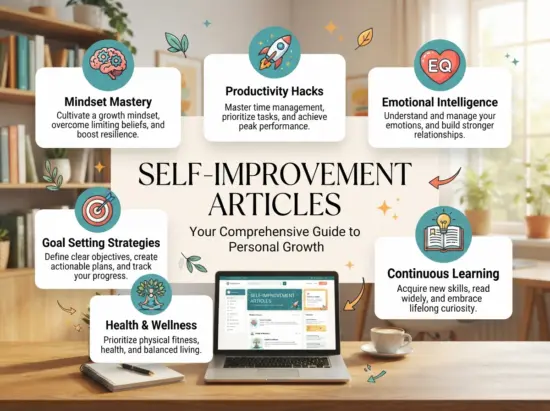
Table of Contents
Welcome to HabitHack.fun, your trusted resource for mastering the art of habit formation and personal development. Self-improvement is a continuous and dynamic process that allows individuals to enhance their knowledge, refine their skills, and cultivate a growth-oriented mindset. In an increasingly competitive and fast-paced world, self-improvement is no longer an option but a necessity for individuals striving for success, adaptability, and fulfillment. This comprehensive guide brings together the most effective, science-backed strategies for personal growth—from foundational habits to advanced techniques supported by behavioral science research.
What Is Self-Improvement?
Self-improvement encompasses a wide range of strategies aimed at improving both personal and professional aspects of life. It’s a personal journey that requires a willingness to experience discomfort. The desire to improve yourself can arise when you’re stuck in a rut or unsatisfied with your current way of living. The concept has evolved significantly over time, influenced by psychological theories, neuroscientific discoveries, and advancements in behavioral science. From ancient philosophies emphasizing self-discipline and lifelong learning to modern methodologies backed by empirical research, self-improvement remains a cornerstone of human progress.
The Importance of Self-Awareness
Developing a positive self-relationship is foundational to self-improvement. A negative self-relationship can lead to increased stress, anxiety, and depression. On the other hand, a positive self-relationship, including self-confidence and a sense of self-worth, can help improve your resilience and mental health.
Practicing self-awareness and self-compassion can help you overcome self-sabotaging behaviors, such as procrastination and perfectionism, by acknowledging and reframing negative self-talk and emotions. Consistent negative self-talk is associated with anxiety and depression. An overly critical internal voice can make daily tasks more difficult and make simple mistakes out to be much bigger than they are.
Proven Self-Improvement Methods
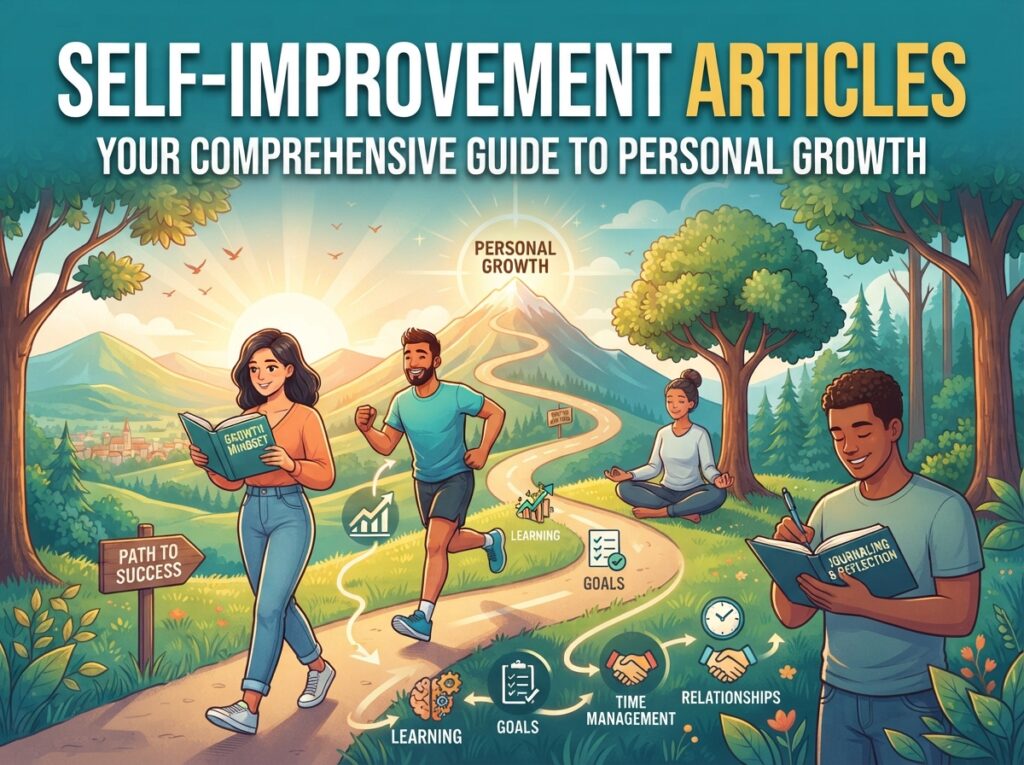
1. Habit Formation
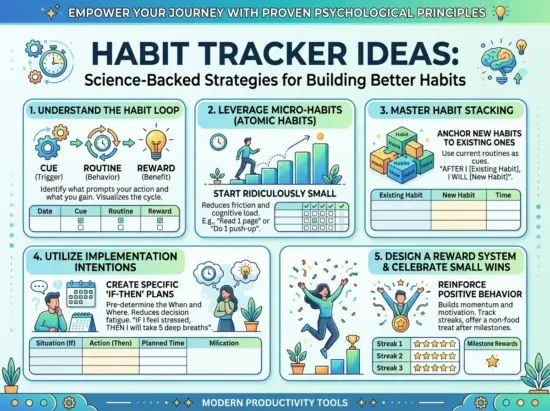
Establishing and maintaining positive habits through consistent practice and reinforcement is one of the most powerful self-improvement methods. According to research, 78% of respondents reported that adopting positive habits, such as regular exercise, meditation, and reading, significantly improved their productivity and overall well-being. Participants who engaged in structured habit-building techniques, such as habit stacking and the 21/90 rule (21 days to form a habit, 90 days to make it a lifestyle), showed higher levels of consistency and long-term success.
2. Lifelong Learning
Continuous learning is strongly correlated with higher job satisfaction and skill development. 85% of professionals highlighted the importance of continuous learning in their career advancement. Engaging in online courses, professional workshops, and self-directed reading was a key factor. Additionally, individuals who engaged in cross-disciplinary learning—such as combining technical and soft skills—demonstrated greater adaptability in their careers.
3. Mindfulness and Emotional Intelligence
Enhancing self-awareness, stress management, and emotional regulation for improved mental well-being is another critical area. 67% of participants reported noticeable improvements in emotional resilience and stress reduction after incorporating mindfulness practices, including meditation, journaling, and breathing exercises. Those who consistently practiced mindfulness techniques experienced increased focus, better emotional regulation, and enhanced overall happiness.
4. Goal-Setting and Productivity
Implementing structured approaches such as SMART (Specific, Measurable, Achievable, Relevant, Time-bound) goals and time management techniques optimizes performance. 72% of individuals who used structured goal setting methods reported increased motivation, accountability, and achievement rates. The study found that individuals who reviewed their goals regularly and adapted their strategies based on progress were more likely to sustain long-term improvements.
Powerful Daily Self-Improvement Habits
Start Your Day with Intention
Clear intentions create focused action and meaningful progress. Here are some powerful habits to start your day:
- Set 3 non-negotiable priorities each morning to define your focus
- Read for 20 minutes before reaching for your phone—morning learning sets the tone for continuous growth all day
- Create before you consume—output before input establishes proactive living patterns
Practice Gratitude and Reflection
Research published in the Journal of Happiness Studies showed that practicing gratitude for just 15 minutes a day, five days per week for six weeks, can improve mental wellness and contribute to a lasting change in perspective. End each day by acknowledging three small wins—celebrating progress reinforces positive growth habits.
Build Self-Trust
Keeping promises to yourself as seriously as to others builds self-trust, which is the foundation of lasting confidence. Replace “I have to” with “I get to” in daily tasks—this perspective shift transforms obligations into opportunities.
Embrace Your Natural Habits
If you’re a night owl, it can be difficult to change your sleep patterns. Instead of trying to force yourself to do things that do not work for you, try creating a schedule and habits that work with your personality, chronotype, and other characteristics. You may end up feeling like a failure if you don’t get up at 5 a.m., but you could allow yourself to stay up a bit later and be kinder to yourself.
Overcoming Common Barriers to Self-Improvement
Despite the benefits of self-improvement, many individuals struggle with psychological barriers that hinder progress. The most common challenges reported are:
- Lack of motivation (62%)
- Time constraints (55%)
- Difficulty in maintaining consistency (48%)
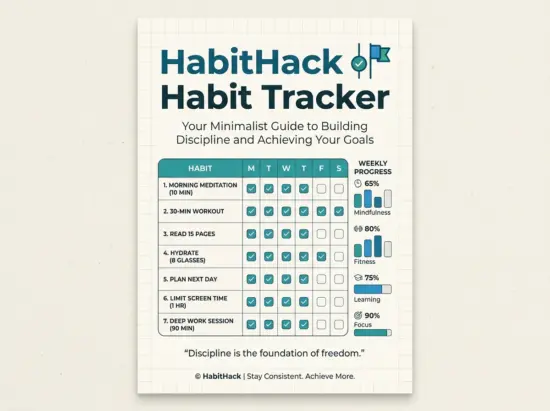
To overcome these barriers, cognitive-behavioral techniques (CBT) and self-awareness training can be beneficial. Strategies such as positive affirmations, mindfulness meditation, and structured habit tracking help individuals build resilience and stay committed to their growth.
The Role of Accountability and Support Systems
Individuals who participated in mentorship programs, mastermind groups, or had an accountability partner showed a 30% higher success rate in maintaining self-improvement routines compared to those who pursued self-growth alone. The role of community engagement, such as professional networks, also contributes to better goal achievement by fostering accountability and shared learning experiences.