Table of Contents
Welcome to HabitHack.fun, your trusted resource for mastering the art of habit formation. Building fitness habits is one of the most rewarding investments you can make in your health, yet many people struggle to make exercise a consistent part of their lives. This comprehensive guide explores the science of fitness habit formation and provides actionable strategies to help you build workouts that stick.
Understanding Fitness Habits: The Science of Consistency
A fitness habit is a repeated pattern of physical activity that becomes automatic through consistent practice. Research shows that exercising four times a week for six weeks is the minimum time required to establish an exercise habit . However, more complex fitness routines can take six months or longer to become well-established habits .
Why Exercise Habits Are Harder to Build
Unlike simple habits like drinking more water, exercise is complex and often requires significant time commitments. Many people start with ambitious goals focused on weight loss or muscle gain, but noticeable results can take weeks or months to appear . This delay makes it easy to lose motivation and abandon your routine.
Core Fitness Habit Strategies
1. Start Small and Build Gradually
The most common mistake is trying to do too much too soon. A 10-minute walk twice a week is a good starting point if you’ve been inactive . As you become more fit, you can challenge yourself by increasing intensity and duration .
Start low and go slow — this approach reduces injury risk and prevents discouragement . If your goal is 45 minutes of movement, begin with 20 minutes. If you’re aiming for 10,000 steps, start with 5,000 . Small increments create momentum without overwhelming you.
2. Find Activities You Genuinely Enjoy

You are far more likely to stick with exercise if it’s something you enjoy . Experiment with different types—strength training, group classes, cycling, yoga, swimming, or dance—until you find a routine that excites you . When workouts are fun, they feel less like work and more like a rewarding part of your day.
3. Schedule Exercise Like Any Other Appointment
Planning ahead makes exercise a non-negotiable part of your routine. Pack your gym bag the night before, set a recurring alarm, or block time in your calendar . This reduces the mental effort of deciding when to exercise and increases the likelihood of follow-through .
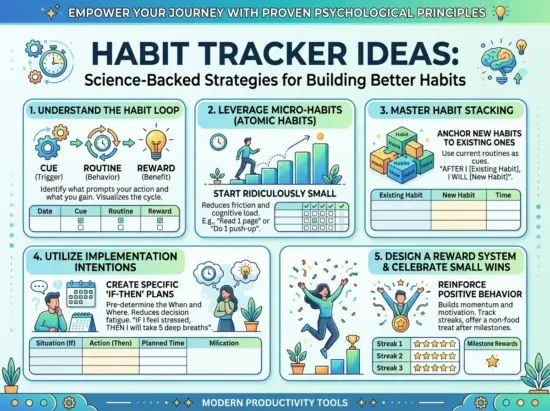
4. Use Habit Stacking
Habit stacking pairs a new fitness habit with an existing routine . Examples include:
- After work, I will go to the gym before going home
- Before dinner, I will take a 15-minute walk
- After my morning coffee, I will do a 10-minute stretch
5. Build in Social Accountability
Exercising with others dramatically increases your chances of sticking with it. An accountability partner or group provides encouragement and makes it harder to skip sessions . Sports like pickleball and running groups naturally build this social commitment—others are counting on you to show up .
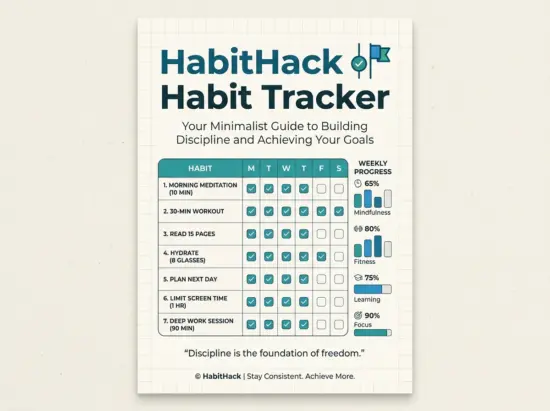
6. Track Your Progress

Tracking your workouts through an app, journal, or fitness tracker helps you stay motivated and visualize your progress . Celebrate small victories—improving endurance, lifting heavier weights, or simply showing up consistently . Focus on these small wins rather than distant end goals .
7. Be Patient and Forgive Slip-Ups
Creating a new habit takes time, and setbacks are normal. Illness, travel, work demands, and “bad days” will interrupt your routine. The key is to get back on track quickly rather than giving up . It can take at least three months of repetition to form a habit, so every day you follow your plan is a step in the right direction .
8. Change Your Environment to Support Movement
Simple changes make a big difference over time :
- At work: take stairs instead of elevators, walk to talk with colleagues instead of emailing, add a 10-20 minute walk during lunch
- Running errands: park at the far end of the lot or walk to nearby destinations
- At home: do chores like vacuuming, gardening, or raking leaves
- Public transport: get off one stop early and walk the rest
9. Reduce Sedentary Time
Decreasing screen time is one of the most effective ways to reduce sedentary behavior . Choose specific TV programs rather than leaving the TV on, do exercises while watching, or replace screen time with active hobbies .
Building a Well-Rounded Fitness Routine
A balanced fitness program includes five key elements: aerobic fitness, strength training, core exercises, balance training, and flexibility . You don’t need to include all in every workout, but aim to incorporate them across your weekly routine.
Cardio and Aerobic Activity
For most healthy adults, aim for 150 minutes of moderate-intensity aerobic activity (like brisk walking) or 75 minutes of vigorous activity (like jogging) per week . This can be broken into shorter sessions—even 10-minute bursts count .
Strength Training
Strength training should target all major muscle groups at least twice per week . Hand-held weights, resistance bands, or your own body weight (push-ups, squats, planks) all work effectively . Start with lighter weights and focus on form before adding more weight .
Mobility, Balance, and Flexibility
Mobility exercises improve range of motion and movement quality . Balance training becomes increasingly important with age to prevent falls . Flexibility exercises like stretching should be done when muscles are warm, ideally after exercise, holding each stretch for at least 30 seconds .
Common Barriers and How to Overcome Them
| Barrier | Solution |
|---|---|
| “I don’t have time” | Break activity into three 10-minute walks; schedule exercise like a meeting |
| “It’s boring” | Try new activities, listen to podcasts, exercise with a partner |
| “I’m too tired” | Shorten workouts—even small movement boosts energy |
| “I don’t see results quickly” | Focus on process goals (consistency) rather than outcome goals (weight loss) |
How Long Until It Becomes a Habit?
A 2015 study found that exercising four times per week for six weeks is the minimum time needed to form an exercise habit . However, there is significant individual variation—simple habits can form in about 18 days, while complex routines like comprehensive fitness programs can take six months or more .