Table of Contents
Welcome to HabitHack.fun, your trusted resource for mastering the art of personal development. Personal growth isn’t about grand gestures or dramatic transformations—it’s about small, consistent actions that compound over time . This comprehensive guide explores the science-backed habits that can help you become the best version of yourself.
Understanding Personal Growth Habits
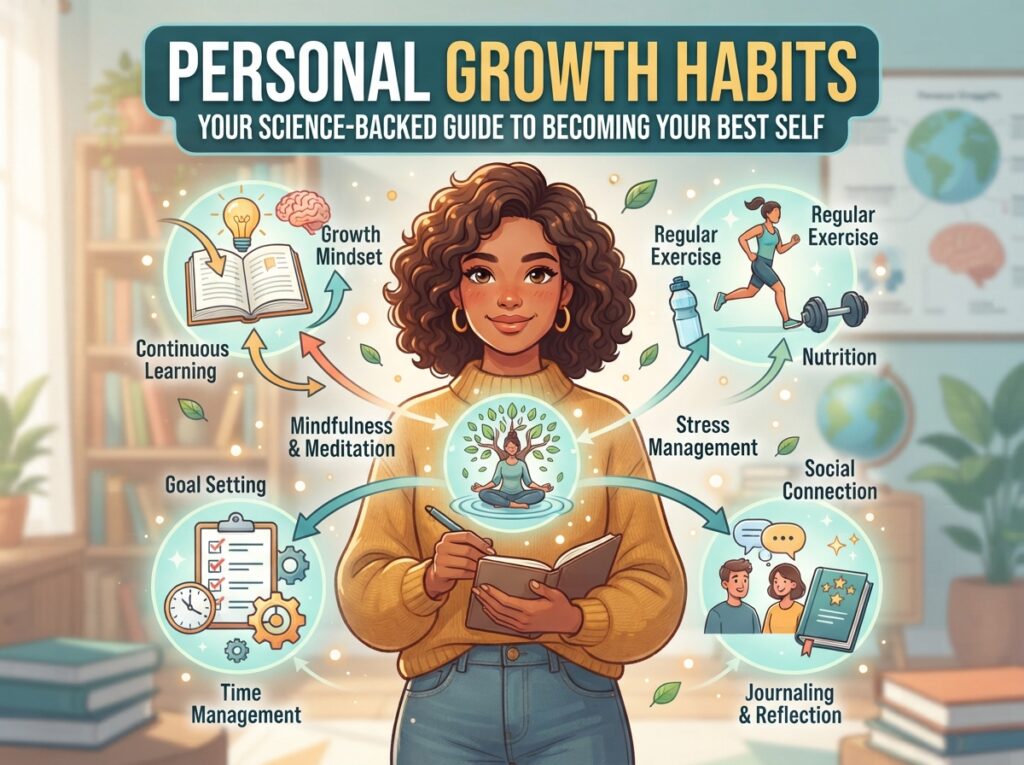
Personal growth habits are the daily practices and routines that intentionally move you toward becoming your best self . These aren’t optional activities—they are non-negotiables that must become part of your daily life if you want to thrive mentally, emotionally, professionally, and spiritually .
Research published in the Journal of Happiness Studies has identified a framework called Personal Growth Initiative (PGI) , which refers to active and intentional participation in the growth process . PGI consists of four key components:
- Readiness for Change: Knowing when to start the growth process
- Planfulness: Making and updating a plan for growth
- Using Resources: Seeking external support when growing
- Intentional Behavior: Actively engaging in your growth plan
These four facets work together to help you navigate life’s challenges and build the life you want .
The Non-Negotiable Foundations of Personal Growth
1. Self-Honesty
Growth starts with truth. You cannot improve what you are unwilling to acknowledge. Self-honesty means facing uncomfortable realities about your behavior, mindset, and choices. Ask yourself difficult questions: Where did I fall short? What can I improve on? What mindsets or behaviors are holding me back? Radical self-honesty builds self-awareness and is the bedrock of lasting transformation .
2. Discipline Over Motivation
Motivation is fleeting; discipline is dependable. Jocko Willink, a retired U.S. Navy SEAL, wakes up at 4:30 AM and works out—not because he’s motivated, but because he’s disciplined . Stephen King, one of the most successful authors of all time, writes every single day, including holidays. As he famously said, “Amateurs sit and wait for inspiration. The rest of us just get up and go to work.” Waiting until you “feel like it” to work on your goals guarantees inconsistency .
3. Health as Your Foundation
“Take care of your body. It’s the only place you have to live.” — Jim Rohn . Your mind cannot thrive in a neglected body. Lack of sleep, poor nutrition, and sedentary living will eventually take their toll. Set non-negotiable habits: move every day, establish a good sleep schedule, and eat mindfully .
4. Commit to Lifelong Learning
Personal development requires continuous input—reading, listening, observing, and applying new knowledge. This doesn’t mean collecting degrees or hoarding self-help books—it means engaging your mind in a way that challenges your perspective and expands your thinking. Try to be well-rounded in your development: nurture your hobbies and passions alongside career development . As Mahatma Gandhi said, “Live as if you were to die tomorrow. Learn as if you were to live forever.”
Science-Backed Strategies for Personal Growth
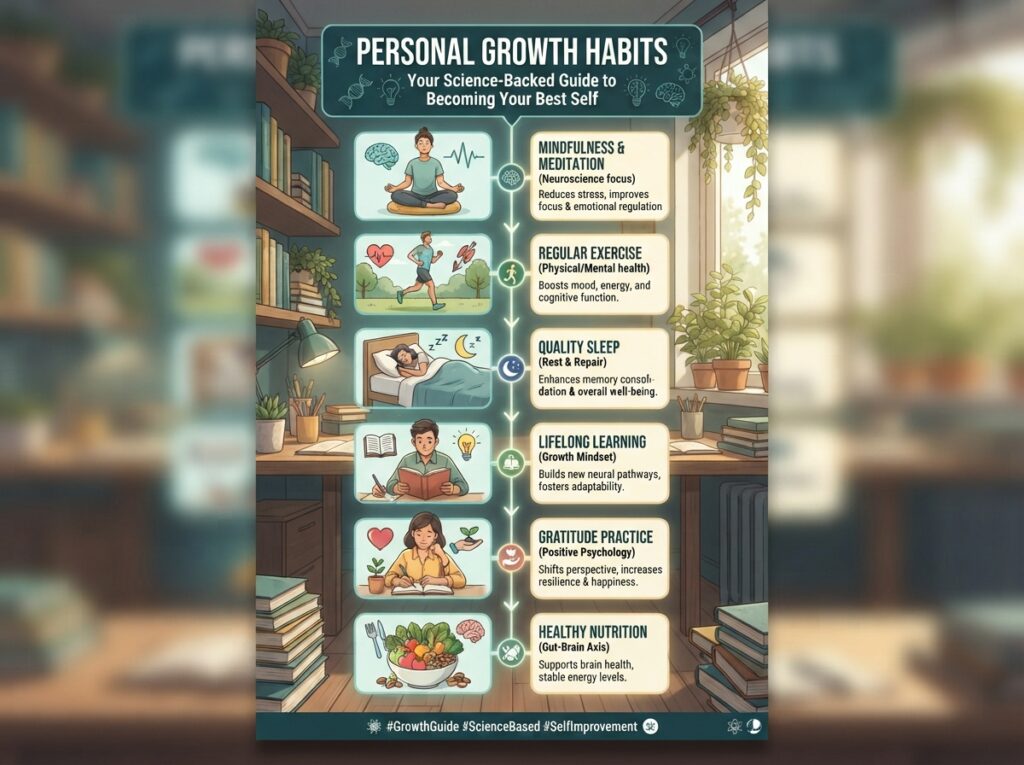
Focus on Identity, Not Just Outcomes
One of the most powerful mindset shifts is focusing on who you want to become, not just what you want to achieve. Instead of saying “I want to be a better leader,” ask yourself: “What would a grounded, growth-oriented leader do today?” Envision yourself as that person and take just one small step that reinforces that identity .
Aim for 1% Better, Not Perfect
Growth isn’t loud—it’s subtle. One reflection at the end of the day. One brave question in a meeting. One moment where you pause and challenge yourself. That’s enough to shift the needle . Research on habit formation confirms that small, consistent actions are more impactful than ambitious, short-term goals .
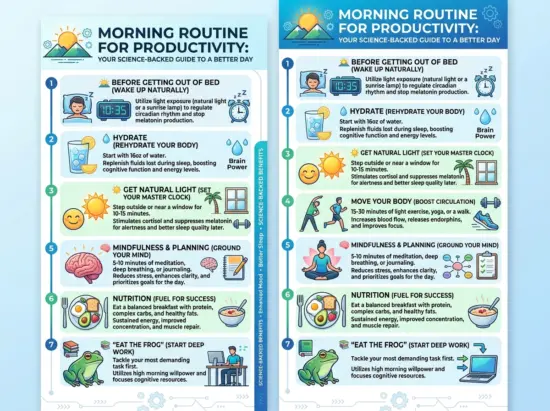
Anchor Your Morning in Intention
Start each day with clear intentions. Ask yourself:
- Did I keep the promises I made to myself yesterday?
- What kind of presence do I want to bring into today?
- What is my intention today and how do I align it with my to-do list?
This short check-in grounds you in progress and helps you see the day-to-day growth that’s so easy to miss .
Practice Gratitude Daily
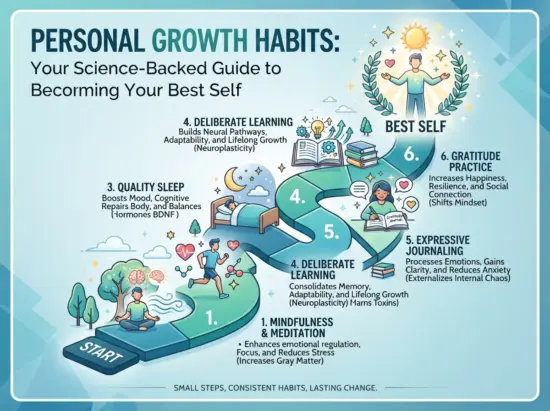
Gratitude directly impacts brain chemistry by increasing dopamine and serotonin levels. Start a daily gratitude journal to focus on the positive aspects of your life. This simple practice shifts your perspective toward growth and enhances your relationships, which further supports emotional health .
Journal for Self-Reflection
Self-reflection leads to self-improvement . Journaling helps you track your personal development and unpack your thoughts . It can reveal behaviors you want to change and motivate you to take action. Make a practice of going back to read your journal entries—they can become a “blueprint of your life” .
Prioritize Quality Sleep
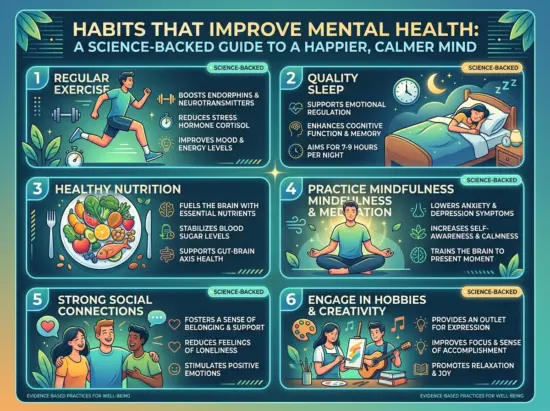
Sleep is foundational for mental and physical health. During sleep, the brain clears toxins, consolidates memories, and prepares for new learning. Aim for 7–9 hours of consistent, high-quality sleep by establishing a bedtime routine, avoiding screens before bed, and creating a relaxing sleep environment .
Move Your Body Regularly
Regular physical activity boosts endorphins, reduces stress, and improves overall brain function. Even moderate exercise—like walking, swimming, or yoga—oxygenates the brain and strengthens its adaptability. Consistency is key, so find a form of movement that feels enjoyable and sustainable .
Practice Mindful Focus
In today’s fast-paced world, constant distractions diminish focus and productivity. Train your brain by practicing mindfulness or meditation. Even five minutes a day of deep breathing or intentional concentration can improve your ability to manage stress and improve clarity .
Embrace New Experiences
Novel experiences stimulate neuroplasticity by challenging the brain to form new connections. Learning a new skill, taking up a hobby, or exploring a creative activity encourages growth and adaptability. Whether it’s learning to cook, play an instrument, or paint, pushing yourself to try something unfamiliar keeps your brain active and flexible .
Building Personal Growth Habits: Practical Steps
Start Small and Build Gradually
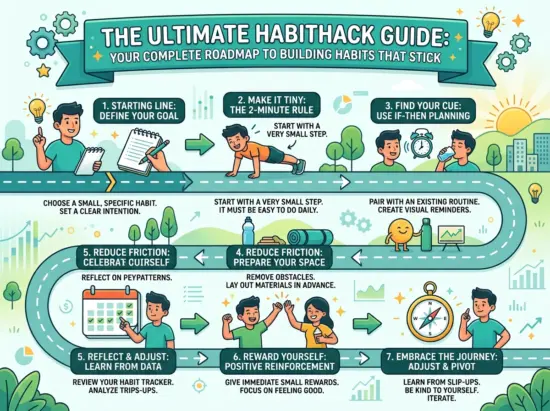
Start by identifying a tiny, doable step connected to the routine you aim to develop. Make it easy and realistic—like doing five minutes of exercise daily or reading a single page before sleep . Once you’ve added the initial step to your daily routine, gradually increase the difficulty by doing more repetitions, spending more time on the task, or making small adjustments to stay alert .
Use Triggers and Cues
Look for cues in your environment that can help you remember to do the behavior you want. It could be a certain time of day, something you see, or a regular habit you already have. Use these cues to strengthen the habit and make it simpler to remember and stick to it .
Stay Consistent
It’s essential to be consistent when you’re trying to establish a habit. Pick a specific time and place to do the habit and make it a really important part of your daily routine. Even when you don’t feel like it, stick to your schedule and trust that your effort will pay off .
Persevere Through Challenges
You will face obstacles and challenges along the way—don’t let them stop you. Stay focused on your goal and keep going. Remind yourself of the lasting advantages that forming this habit will bring .
Celebrate Progress
Remember to celebrate your victories and important moments. Whether it’s completing an entire week of staying dedicated or achieving a new personal best, pause and acknowledge your achievements. Reward yourself for all the effort you’ve invested .
Reflect and Adjust
Spend time regularly thinking about how well you’re doing and whether your habits are helping you. Don’t hesitate to change things up and try new ways if needed. By always checking in with yourself, you can make your habits even better and more effective .
Stay Committed Long Term
Forming habits takes time and effort. It’s essential to stay dedicated to your goals, even when the initial excitement fades. Remember that real change doesn’t happen overnight, but if you persist and remain patient, you’ll eventually achieve the results you desire .