Table of Contents
Welcome to HabitHack.fun, your trusted companion on the journey toward personal growth. Positive habits are more than just routines—they are the building blocks of a life filled with purpose, health, and happiness. Research shows that nearly half of our daily behaviors are driven by habit, making them a powerful force in shaping our identities and futures . In this comprehensive guide, we’ll explore the science of positive habits, offer actionable strategies for building them, and highlight key habits that can transform your life.
What Are Positive Habits?
A habit is an automatic behavior that is formed through repeated actions over time . Positive habits are those that contribute to our physical, mental, and emotional well-being. They help us build resilience, enhance self-esteem, and lead to a more fulfilling life .
Writer Gretchen Rubin captures this beautifully: “Habits are the invisible architecture of our daily lives. Our habits shape our existence, and our future. If we change our habits, we change our lives” . In a world that often prizes novelty, it’s easy to overlook the profound power of simple, repeated actions. But it is precisely this automaticity that makes habits so influential. They free us from constantly having to plan our next action and using willpower to get things done .
The Science Behind Positive Habits
A landmark study using the diary method found that approximately 41% of our behaviors could be considered habitual . When people engaged in habitual behaviors, they reported lower stress, reduced feelings of being overwhelmed, and a lower probability of feeling out of control . This suggests that positive habits don’t just make us more productive—they also contribute to our emotional stability.
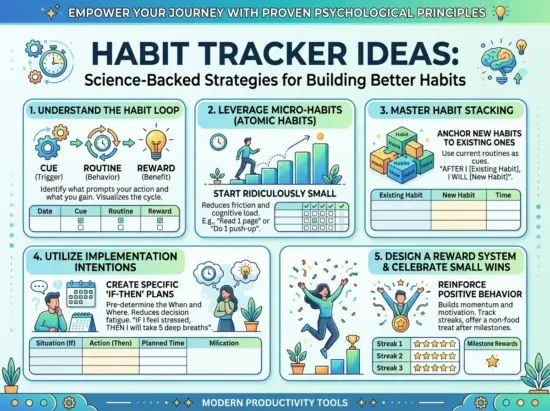
The habit loop—cue, routine, reward—is central to understanding how habits form. By identifying the cues that trigger our behaviors and the rewards that reinforce them, we can intentionally shape our habits .
Key Positive Habits to Cultivate

1. Practice Daily Gratitude
Gratitude is one of the most transformative positive habits you can adopt. Research published in the Journal of Happiness Studies found that practicing gratitude for just 15 minutes a day, five days per week, can improve mental wellness and contribute to a lasting change in perspective .
How to practice gratitude:
- Write down three things you’re grateful for each day .
- Express gratitude to someone close to you. Research has shown that when individuals with depression took the time to express gratitude, they scored as non-depressed for a period of six weeks .
- Notice small joys—a beautiful sunset, a kind word from a colleague, or a moment of laughter.
2. Prioritize Rest and Sleep
You’ll never be the best version of yourself if you’re constantly exhausted. According to Maslow’s hierarchy of needs, you must have your basic needs met before you can achieve your goals for self-improvement . Quality sleep rejuvenates your body and mind, improving focus, attention, and creativity .
Tips for better rest:
- Go to bed and wake up at the same time each day.
- Create a relaxing bedtime routine.
- Limit screen time at least an hour before bed.
3. Move Your Body Daily
Physical activity is a keystone habit—one that triggers a cascade of positive changes . According to the CDC, physical activity helps you feel better, function better, and sleep better . Even small movements throughout the day can make a difference. A 10-minute walk can lower anxiety and improve mood .
Ideas to move more:
- Take a 10-minute walk each day.
- Stretch for five minutes after waking up.
- Try a new sport or virtual workout.
4. Meditate and Practice Mindfulness
Meditation helps still and empty our minds, generating calmness and helping us stay centered in the present moment . A study published in the Irish Journal of Psychological Medicine found that meditation can improve anxiety, depression, and pain scores, especially during times of crisis .
Ways to build a meditation habit:
- Start with 2-5 minutes a day using a guided meditation app.
- Use habit stacking: “After I make my coffee, I will meditate for two minutes.”
- Practice mindful moments throughout the day, like taking three deep breaths before starting your car.
5. Cultivate Self-Compassion
Instead of criticizing yourself for mistakes, practice self-compassion. Self-compassion says, “These things happen,” and allows you to learn from setbacks rather than spiral into guilt . Psychologists emphasize that self-forgiveness reduces stress and helps you re-engage with goals .
How to practice self-compassion:
- Treat yourself with the same kindness you’d offer a good friend.
- Reframe failures as learning experiences.
- Acknowledge and learn from slip-ups, then move on.
6. Set Intentions and Goals
Goal setting helps program your brain to filter in opportunities related to that outcome . The “Reticular Activating System” in your brain works like a filter, making you aware of opportunities aligned with your goals . Writing down your goals increases accountability and makes success more likely .
Goal-setting tips:
- Use the SMART framework: Specific, Measurable, Achievable, Relevant, Time-bound .
- Break big goals into smaller, manageable steps .
- Focus on one goal at a time to avoid overwhelm .
7. Nourish Yourself with Healthy Foods and Hydration
Nutrition and mental health are closely linked. Eating a variety of fresh, colorful foods can boost your energy and mood . Staying hydrated is equally important—research published in the World Journal of Psychiatry found that drinking plain water is linked to a decreased risk of anxiety and depression .
8. Perform Acts of Kindness
Kindness is one of the best ways to become a better version of yourself. It’s free, doesn’t require much effort, and can improve the lives of others . Make it a goal to do one random act of kindness every day—whether holding a door, offering help, or simply listening.
9. Identify Activities That Energize You
Figuring out what fulfills you is just as important as identifying what drains you . Spend more time on activities that bring you energy and joy, and consider replacing draining activities with those that fuel you .
Strategies for Building Positive Habits That Stick
Building positive habits requires more than good intentions. Here are science-backed strategies to make your new habits stick.
1. Use Habit Stacking
Habit stacking involves attaching a new habit to one you already do . For example:
- After brushing your teeth → write in your gratitude journal.
- After making coffee → stretch for five minutes.
- After taking a shower → do five squats .
This works because your brain loves routines. By piggybacking on existing cues, you bypass the need for constant motivation and discipline .
2. Start with Micro Habits
The “Two-Minute Rule” from James Clear’s Atomic Habits suggests that when you start a new habit, it should take less than two minutes to do . This makes it easy to build momentum. For example:
- Instead of “read for 30 minutes,” start with “read one page.”
- Instead of “exercise for an hour,” start with “put on your workout clothes.”
3. Focus on One Habit at a Time
Don’t try to tackle multiple new habits at once; it’s likely you’ll end up feeling overwhelmed and defeated . Choose one habit, and when it becomes automatic, move on to the next .
4. Track Your Progress
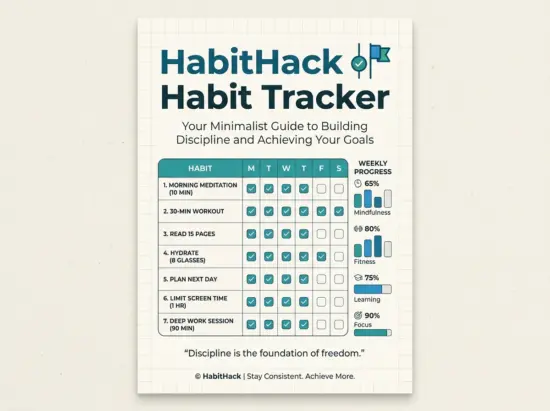
Tracking your progress provides a visual reminder of your consistency and releases a small amount of dopamine—a “reward” that makes you want to keep going . This turns the invisible into the visible, making your progress tangible .
Ways to track:
- Use a habit tracker app.
- Mark an X on a calendar for each day you complete your habit.
- Keep a simple checklist in a journal.
5. Create Accountability
When we promise ourselves we’re going to do something, it’s easy to let it slide. But it’s much harder to let go if someone else is expecting you to do it . Find a friend who wants to build the same habit, join a support group, or make yourself accountable to “future you” .
6. Make It Convenient
The more convenient something is, the better the odds that you follow through . Remove friction by setting out your workout clothes the night before, keeping healthy snacks visible, or choosing a gym close to home. If you make good habits easy and bad habits hard, you’ll naturally gravitate toward positive choices.
7. Be Patient and Forgiving
Experts say it takes an average of 66 days for a new habit to become automatic—sometimes more . Missing a few days doesn’t mean you have to start from scratch. Just focus on getting back on track quickly. The “never miss twice” rule is key: one missed day is a mistake, two is a pattern