Table of Contents
Welcome to HabitHack.fun, your ultimate resource for mastering the art and science of habit formation. Lifestyle improvement is one of the most powerful investments you can make in yourself. It’s not about quick fixes or drastic overhauls—it’s about making intentional, sustainable changes that enhance your physical health, mental well-being, and overall quality of life. This comprehensive guide will walk you through the core pillars of lifestyle improvement, provide actionable strategies for implementing change, and show you how small, consistent actions can lead to extraordinary results.
What Is Lifestyle Improvement?
Lifestyle improvement refers to adopting behaviors and daily habits that support your physical, mental, and emotional well-being . Your “lifestyle” encompasses your typical daily behaviors, habits, and living conditions. When you commit to lifestyle improvement, you’re making a conscious choice to replace patterns that may be holding you back with those that propel you toward a healthier, more fulfilling life.
The Science Behind Lifestyle Change

Research has identified approximately 20 specific components of a healthy lifestyle, including routine, time management, physical activity, recreation, social networking, and stress management . Healthcare professionals have organized these into a framework of six core pillars, which form the foundation of lifestyle medicine .
The six pillars of lifestyle medicine are:
- Healthy eating and nutrition
- Regular physical activity
- Restorative sleep
- Stress management
- Healthy social connections
- Avoiding harmful substances
Adopting habits within these six areas can dramatically reduce the risk of most chronic diseases, including heart disease, diabetes, obesity, cancer, dementia, and depression . Research also shows that more than four in 10 cancers are linked to lifestyle choices we can change, such as poor diet and physical inactivity .
The Six Pillars of Lifestyle Improvement
Let’s explore each pillar in depth, with practical strategies for implementation.
1. Healthy Eating and Nutrition
Nutrition is foundational to lifestyle improvement. The “food is medicine” philosophy recognizes that diet plays a crucial role in preventing and managing chronic conditions . A healthy diet centers around whole, unprocessed foods—fruits, vegetables, whole grains, legumes, nuts, and seeds—while minimizing ultra-processed foods and excess animal products .
Why it matters:
- Reduces inflammation linked to heart disease, diabetes, and cancer
- Supports a healthy gut microbiome, which plays a role in immunity and mood
- Improves energy levels and long-term weight management
Practical tips for implementation:
- Swap out processed snacks for fresh fruits or vegetables with hummus
- Avoid sugary beverages and drink plain water instead (add flavor with lemon or mint)
- Fill half your plate with non-starchy vegetables and fruits at each meal
- Cook at home more often to have better control over ingredients
- Try “Meatless Mondays” or plant-forward meals a few times a week
- Prep meals ahead of time using whole ingredients
Habit stacking for healthier eating:
The American Heart Association suggests linking new healthy eating habits to existing routines :
- While heating water for coffee, wash and prepare a vegetable for snacking later
- When impatient in line, use your phone to look up a healthier recipe
- While unloading the dishwasher, imagine a dinner plate divided in half and think about what fruits and veggies you have on hand
2. Regular Physical Activity
Movement is essential to life. Physical activity is one of the most accessible and powerful tools for improving overall health . It helps prevent chronic conditions, boosts mental health, and strengthens your body at every level .
Recommended guidelines:
- 150 minutes of moderate-intensity activity per week (like brisk walking, dancing, cycling)
- Or 75 minutes of vigorous activity per week (like running or high-intensity workouts)
- Plus 2 days of muscle-strengthening activities each week
- Older adults should also add balance training for fall prevention
Practical tips for implementation:
- Start small—walking just 10 to 15 minutes daily may lower your risk of depression by 18%
- Get up and move your body every 30 minutes, even if it’s just walking to the bathroom
- Take a 10-20 minute walk after meals to help lower blood sugar
- Choose activities you genuinely enjoy to stay consistent
- Ride a bike or walk to your destination instead of driving short distances
What to remember:
Any amount of physical activity is beneficial, whether it’s 30 minutes or 30 seconds. Start small, build consistency, and choose activities you enjoy . Health experts recommend being consistent and trying to do something toward your goal every day .
3. Restorative Sleep
Getting enough quality sleep is crucial for healing, resilience, and overall health . Yet, many adults fall short of the recommended 7-9 hours per night. When sleep suffers, so does nearly every other aspect of your health—mood, metabolism, food choices, cardiovascular health, and cognitive function .
Signs of poor sleep:
- Difficulty concentrating or completing tasks
- Mood changes or irritability
- Frequent illness or low immunity
- Cravings for unhealthy foods, such as sugary snacks and refined grains
Practical tips for better sleep:
- Stick to a consistent sleep-wake schedule, even on weekends
- Avoid screens for at least one hour before bed
- Avoid caffeine after lunch and alcohol before bedtime
- Create a relaxing bedtime routine—reading, stretching, taking a bath, or deep breathing
- Get sunlight exposure in the morning to support a healthy circadian rhythm
- Don’t go to bed hungry; have a light, healthy snack like a rice cake or apple
4. Stress Management
Chronic stress affects the brain, heart, hormones, and digestive and immune systems. Over time, unmanaged stress can contribute to anxiety, pain, cardiovascular problems, poor sleep, diabetes, and other health issues . Building small daily rituals for mental wellness can lower stress levels and promote emotional balance .
Effective stress management tools:
- Mindfulness and meditation (even 5-15 minutes per day can help)
- Breathwork or guided imagery exercises
- Journaling and reading
- Nature walks or hobbies that bring you joy
- Tai chi routines
- Socializing and building meaningful relationships
The “slow living” approach:
The slow living mindset encourages you to pause and consider what truly adds value to your life. Instead of chasing productivity for its own sake, slow living invites you to align your actions with your values . Benefits include:
- Less stress and more calm
- Better focus and memory
- Improved sleep
- More energy
- Stronger relationships
Starting small:
- Take a few deep breaths before starting your day
- Cut one nonessential thing from your schedule
- Set time limits for phone or social media use
- Spend 10 minutes outside without distractions
5. Healthy Social Connections
Humans are wired for connection. Strong relationships with family, friends, and community are associated with longer lifespans, reduced risk of depression, and even lower rates of chronic illness . Meaningful socialization is also associated with less stress, lower risk for dementia, and better mood .
Risks of social isolation:
- Increased risk of heart disease and dementia
- Higher levels of anxiety and depression
- Poorer immune function
Ways to nurture meaningful connections:
- Reach out to friends, family, and neighbors regularly
- Make time for shared activities—cooking, walking, or playing games together
- Call or video chat with loved ones regularly if you can’t see them in person
- Join a local interest group, faith community, or volunteer organization
- Try group activities like exercise classes, meditation groups, or weekly healthy meal nights
The accountability advantage:
Sharing a lifestyle goal with friends gets you on a schedule, helps you stay motivated, and holds you accountable. “Initially you’ll show up because you don’t want to let your training partner down,” says sports performance specialist Mark Murphy . This external motivation can eventually transform into internal motivation, where you do it for yourself .
6. Avoiding Harmful Substances
The sixth pillar focuses on limiting behaviors that expose you to harmful substances, such as smoking, excessive alcohol consumption, and drug use . For some people, this is the most challenging lifestyle habit to change because they might have a substance use disorder .
What to do:
If you regularly smoke, drink heavily, or use illegal drugs, speak with a healthcare professional. They can help develop an appropriate treatment plan and provide resources and guidance on where to find group therapy and community support .
How to Implement Lifestyle Changes Successfully
Making lasting lifestyle changes is a journey, not a destination. Here’s a framework to help you succeed.
Understand the Stages of Change
Lifestyle changes typically follow a progression:
- Contemplation: You’re considering making a change
- Preparation: You’ve decided and started planning
- Action: You’re implementing the new behavior
- Maintenance: The behavior has become a regular habit
During each stage, you will encounter roadblocks and challenges. This is normal. It can take a few months for your body and brain to get used to new habits and for them to become automatic .
Key Principles for Success
1. Start small and be specific:
Setting a goal gives you something to work toward. Health experts recommend starting small—for example, going for a daily five-minute walk and gradually increasing the time .
2. Be consistent:
Try to do something toward your goal every day . Repetition is key to habit formation .
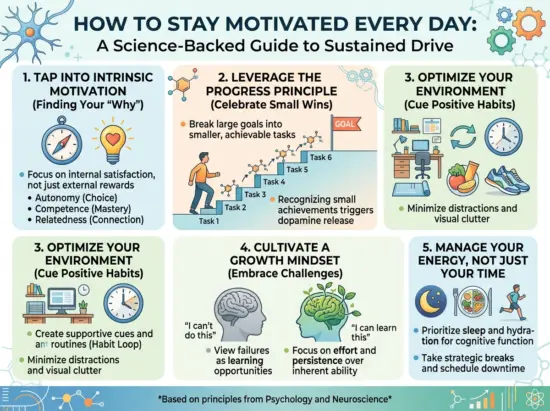
3. Focus on internal motivation:
While external motivators can help you get started, true lasting change comes from wanting to do it for yourself . Choose habits that align with your values and are things you truly want .
4. Be patient and forgiving:
If you stray from your path, get right back on it. Reflect on what kept you from the behavior and how to overcome it. Don’t let one missed day become two .
5. Work with an expert when needed:
Turn to professionals who can help you set goals and reach them—such as dietitians, personal trainers, physical therapists, or meditation coaches. Look for experts who are licensed or certified in their field .
6. Use habit stacking:
Link new positive actions to other parts of your current routine . For example, “After I brush my teeth, I will stretch for two minutes.”
7. Create accountability:
Share your goals with friends or family who can provide support and encouragement . Ask for health-related gifts that come with built-in accountability, like a yoga mat, water bottle, or fitness tracker .
8. Make healthy choices convenient:
Set up your environment to support your goals. Keep healthy snacks visible, prepare meals ahead of time, and remove unhealthy temptations .
The 6E Approach to a Healthy Life
A simple framework for lifestyle improvement is the 6E approach :
- Eat well
- Exercise well
- Eliminate unhealthy behaviors and habits
- Ensure adequate entertainment, relaxation, and sleep
- Practice Emotional control
- Eschew/avoid extremes
Common Roadblocks and How to Overcome Them
“I don’t have time.”
Solution: Start with micro-habits—two minutes of stretching, a five-minute walk. Use transition times like commutes or waiting in line to practice healthy behaviors .
“I keep failing.”
Solution: Expect setbacks and treat them as learning opportunities, not failures. Reflect on what blocked you and plan how to overcome it next time .
“I don’t feel motivated.”
Solution: Motivation follows action, not the other way around. Start the behavior first, and motivation often follows. Also, find an accountability partner who depends on you showing up .
“It feels overwhelming.”
Solution: Focus on one pillar at a time. Master one area before moving to the next. Lifestyle improvement is a marathon, not a sprint.