Table of Contents
Welcome to HabitHack.fun, your trusted resource for mastering personal growth and habit formation. Emotional Intelligence (EI or EQ) is the ability to perceive, understand, manage, and use your emotions and those of others in a positive way. It’s the cornerstone of effective communication, meaningful relationships, and personal resilience. In fact, research shows that emotional intelligence accounts for nearly 90% of what sets high performers apart from peers with similar technical skills and IQ . This comprehensive guide explores the science of emotional intelligence, its core components, and actionable strategies to develop it.
What Is Emotional Intelligence?
Emotional intelligence is the ability to recognize, understand, and manage our own emotions, as well as to recognize, understand, and influence the emotions of others . It’s a set of skills that helps you navigate social complexities, lead with empathy, and make better decisions. Unlike IQ, which is largely fixed, emotional intelligence is a set of skills that can be learned, developed, and strengthened throughout your life.
Why Emotional Intelligence Matters
Emotional intelligence is a strong predictor of success in life, work, and relationships . It is the foundation of strong relationships, effective leadership, and mental well-being . People with high EQ are better at communicating, resolving conflicts, and building trust. They are also more resilient to stress and less likely to experience burnout. In the workplace, emotional intelligence is often a stronger predictor of success than technical ability.
The Four Pillars of Emotional Intelligence
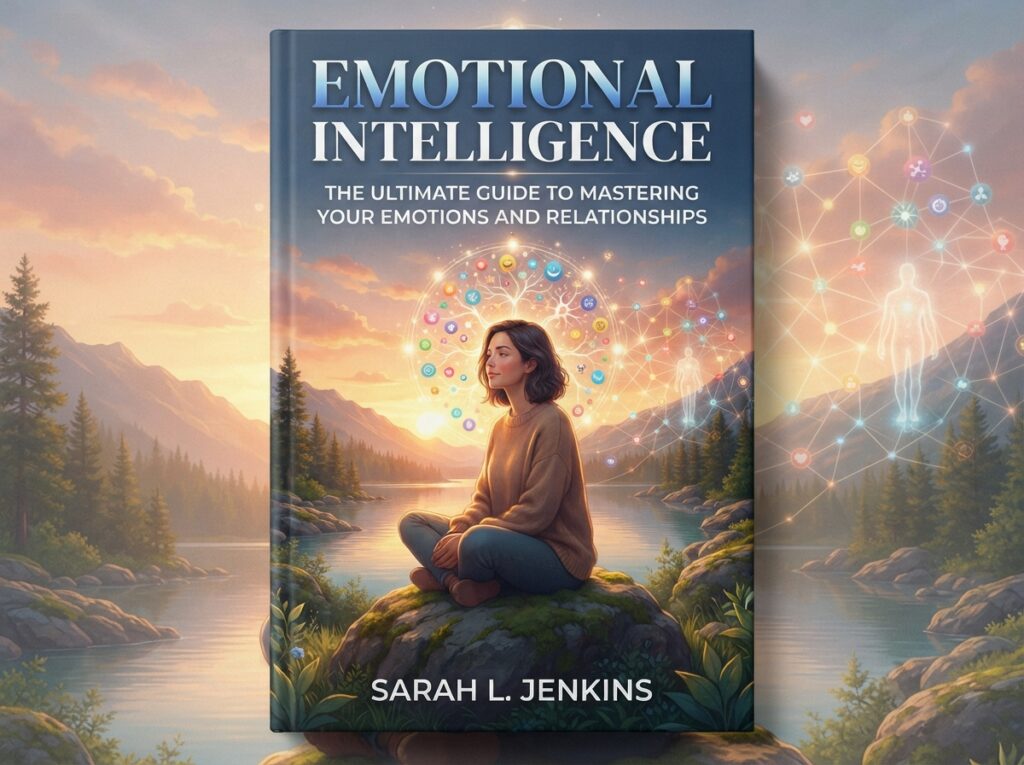
Psychologist Daniel Goleman, who popularized the concept, breaks emotional intelligence into four core competencies.
1. Self-Awareness
Self-awareness is the ability to recognize and understand your own emotions, strengths, weaknesses, and values, and how they impact others. It’s the foundation of all other emotional intelligence skills. If you don’t know what you are feeling, you cannot effectively manage it.
Key signs of self-awareness:
- You can accurately identify what you’re feeling and why
- You understand how your emotions impact your behavior
- You have a realistic assessment of your strengths and weaknesses
- You are open to feedback
How to build it:
- Practice mindfulness: Pay attention to your emotional state. Notice what you’re feeling and what triggered it
- Keep an emotion journal: Track your emotions throughout the day to identify patterns
- Seek honest feedback: Ask trusted friends or colleagues about how your behavior impacts them
2. Self-Management
Self-management is the ability to control your impulses, regulate your emotions, and adapt to changing circumstances . It’s about using your self-awareness to act intentionally rather than reactively.
Key signs of strong self-management:
- You can control your impulses and think before acting
- You can manage your stress and recover quickly from setbacks
- You are adaptable and resilient
- You maintain a positive outlook even in difficult situations
How to build it:
- Practice breathing techniques: Deep breathing calms your nervous system
- Use the “10-second rule”: Before reacting, pause and count to 10
- Replace negative self-talk: Challenge pessimistic thoughts with realistic, balanced ones
- Create a personal mantra: Use a phrase like “I can handle this” to center yourself
3. Social Awareness
Social awareness is the ability to understand the emotions, needs, and concerns of other people . It involves empathy, organizational awareness, and reading social cues. It allows you to pick up on what others are feeling without them telling you directly.
Key signs of social awareness:
- You can accurately read the emotions of others
- You are attuned to social dynamics and power structures
- You genuinely care about the well-being of others
- You can listen without interrupting or judging
How to build it:
- Practice active listening: Give people your full attention. Don’t just wait for your turn to speak
- Read non-verbal cues: Pay attention to body language, tone of voice, and facial expressions
- Practice empathy: Try to see things from other people’s perspectives, even if you don’t agree
- Volunteer or mentor: Helping others can increase your capacity for empathy
4. Relationship Management
Relationship management is the ability to influence, develop, and maintain positive relationships . It involves effective communication, conflict resolution, and inspiring others. It’s the result of combining the other three pillars.
Key signs of effective relationship management:
- You communicate clearly and openly
- You can resolve conflicts constructively
- You inspire and influence others
- You are a team player and collaborate well
How to build it:
- Give constructive feedback: Focus on behavior, not personality, and frame it as a request
- Learn to say “no” gracefully: Setting boundaries is essential for healthy relationships
- Be vulnerable: Sharing your own struggles can build trust
- Practice gratitude: Regularly acknowledge and appreciate others
Practical Strategies to Develop Emotional Intelligence
1. Practice Self-Reflection
Self-reflection is the cornerstone of emotional intelligence. Set aside time each evening to reflect on your interactions. Ask yourself: “What was I feeling? What triggered it? How did I respond? How did my behavior affect others?” This builds self-awareness and helps you identify patterns to improve.
2. Improve Your Listening Skills
Most people listen to reply, not to understand. Active listening is a critical component of social awareness. When you listen, focus completely on the speaker. Avoid interrupting, and ask clarifying questions to show you understand. Use “I” statements to express your feelings without blaming.
3. Manage Stress Effectively
When you are stressed, your ability to understand and control your emotions diminishes. Develop healthy stress-management habits: exercise regularly, get adequate sleep, and practice mindfulness or meditation.
4. Take Responsibility for Your Actions
When you make a mistake, own it. Apologize sincerely without making excuses. Taking responsibility for your actions builds trust and demonstrates maturity.
5. Cultivate a Growth Mindset
A growth mindset—the belief that your abilities can be developed—is closely linked to emotional intelligence. When you view setbacks as opportunities to learn, it’s easier to manage your emotions and stay motivated.
6. Avoid the “Empathy Trap”
Empathy is a powerful tool, but it’s possible to be overly empathetic to the point of burnout. Set healthy boundaries to protect your own well-being while still caring for others.
7. Learn to Say No
Setting healthy boundaries is a sign of emotional intelligence. Learn to say no gracefully. You can’t be everything to everyone, and protecting your time and energy is essential.
8. Be Open to Feedback
Even if it’s difficult to hear, feedback is essential for growth. Ask for it regularly and use it as a tool to learn, not as an opportunity to defend yourself.
9. Practice Emotional Regulation in the Moment
When you feel a strong negative emotion rising, use the “4-7-8” breathing technique: breathe in for 4 seconds, hold for 7 seconds, exhale for 8 seconds. This quick act can calm your nervous system and help you respond rather than react.
10. Build a Vocabulary for Emotions
Most people use only a few words to describe how they feel. Expanding your emotional vocabulary helps you better understand and articulate your feelings, which is the first step to managing them. Use an “emotion wheel” to identify the specific feeling you’re experiencing.
Overcoming Common Emotional Intelligence Barriers
The “I Don’t Have Time” Trap
Building emotional intelligence takes time, but it’s a worthwhile investment. Start with just five minutes of reflection at the end of your day.
The “It’s Not My Fault” Trap
Taking responsibility is a sign of strength, not weakness. When you own your mistakes, you show maturity and build trust.
The “I Can’t Control My Emotions” Trap
You can’t always control what you feel, but you can always control how you respond. Practice pausing between the stimulus and your response.
The “Them vs. Me” Trap
Emotional intelligence is not a zero-sum game. When you win, it’s not at the expense of others. Approach interactions with a win-win mindset.