Table of Contents
Welcome to HabitHack.fun, your trusted resource for mastering the art of habit formation and personal growth. The journey from being a student to building a successful career can feel overwhelming. Juggling lectures, assignments, deadlines, and the pressure to plan for an uncertain future is a lot to handle . However, the key to navigating this path successfully isn’t just about working harder; it’s about building the right systems and habits. Research shows that around 43% of our daily actions are performed out of habit . By consciously designing routines that support your academic and professional goals, you can set yourself up for long-term success.
This guide combines insights from career experts, academic advisors, and behavioral science to provide a practical, habit-driven approach to excelling as a student and launching a fulfilling career.
Part 1: Building a Strong Foundation for Student Success
Before you can conquer the professional world, you must first master the art of being a student. This means adopting habits that not only lead to good grades but also build the discipline, resilience, and strategic thinking required in any career.
1. Master Time Management and Prioritization
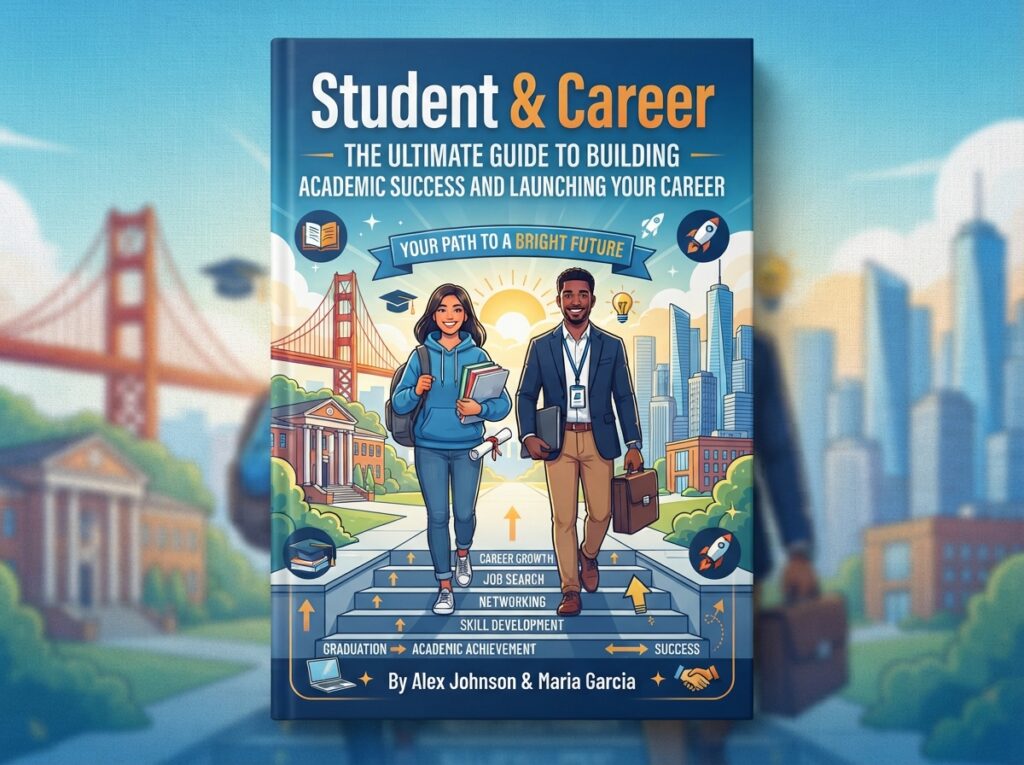
Effective time management is arguably the most critical skill for any student. It’s not about cramming more into your day; it’s about working smarter to reduce stress and create space for both academic success and personal well-being .
Start with a Plan
Without clear goals, it’s easy to drift through a semester without direction. Begin each term by identifying your key academic objectives, whether it’s achieving a specific grade, completing a challenging dissertation, or mastering a difficult module .
- Create a master list: At the start of each term, write down all your deadlines for assignments, exams, and projects .
- Break it down: Break your ambitions into manageable, time-based goals using the SMART framework (Specific, Measurable, Achievable, Relevant, Time-bound) . For example:
- Daily: Write 500 words of an essay draft.
- Termly: Revise for 30 minutes each working day.
- Weekly: Read two core texts and begin essay research .
Use a Planning Tool
Relying on memory alone is a recipe for missed deadlines. Using a planner, diary, or digital calendar can help you map out your time effectively and eliminate last-minute panic .
- Map your commitments: Enter fixed commitments like lecture times, seminars, lab sessions, and part-time work shifts.
- Block study time: Schedule dedicated study sessions, assignment deadlines, and breaks. Try to schedule these during your “peak concentration times”—the periods when you feel most alert and focused .
Prioritize Ruthlessly
Not all tasks are created equal. Learning to prioritize is essential for staying on top of your responsibilities .
- Focus on high-impact work: Rank your tasks based on importance and deadlines. A task worth 60% of your module grade due in two weeks is a much higher priority than a task worth 10% due in three weeks .
- Set artificial deadlines: Aim to complete assignments 24 hours before the actual deadline. This gives you a buffer in case something unexpected comes up .
2. Develop a Consistent Study Routine
Consistency beats last-minute cramming every time. Building a regular study pattern can help you feel more in control and avoid the stress of procrastination .
Avoid Multitasking
Multitasking might feel efficient, but it actually reduces the quality of your work and slows you down. Your brain isn’t designed to handle several complex activities at once. Instead, focus on one task at a time .
Use the Pomodoro Technique
If you struggle with concentration, the Pomodoro Technique can help you stay focused and avoid burnout . This involves studying in short sprints—usually 25 minutes of work followed by a 5-minute break. After four “Pomodoros,” take a longer break of 15 to 30 minutes .
Break Tasks into Smaller Steps
A large project or essay can feel overwhelming. Break it down into smaller, actionable steps, such as “draft introduction,” “research three journal articles,” or “review supervisor feedback” . This reduces procrastination and gives you a sense of progress as you tick things off .
3. Learn the Art of Habit Building
Creating a new habit can be challenging, but there are science-backed strategies to make it stick. Research shows that teachers who employed habit-based techniques like habit stacking and environmental structuring saw an enhancement in their students’ motivation, academic engagement, and performance .
Habit Stacking
This involves tying new habits to existing ones to make them easier to adopt . The formula is simple: After [CURRENT HABIT], I will [NEW HABIT] . For example:
- “After I brush my teeth in the morning, I will write my to-do list.”
- “After I finish my lunch, I’ll take a 15-minute walk.”
- “After I pour my morning coffee, I will read five pages of a professional book.”
Start Small
Don’t try to do everything at once. Start with one small, achievable goal and build from there. This reduces the need for excessive motivation or extra energy to get things done .
Be Patient and Consistent
Building habits doesn’t happen overnight. It takes time and consistency, and slip-ups are bound to happen. The key is to get back on track after a slip and avoid being too hard on yourself . As one student put it, “Being a student means handling a lot of things at the same time… and I realised that my energy, mood, and ability to stay productive are directly related to my daily habits and the things I do to elevate stress” .
Part 2: Building Your Career While You Study
Career building doesn’t start after graduation—it can begin while you’re still navigating your daily campus routines . By adopting a proactive approach, you can build a solid foundation for your future career.
1. Cultivate Self-Awareness
Understanding yourself is the first step toward making informed career decisions. At its core, career health involves being aware of your personal Values, Interests, Personality, and Skills (VIPS) . These elements are pivotal as they guide you towards identifying career opportunities that resonate with your aspirations.
- Values: What is most important to you in a career (e.g., helping others, financial security, work-life balance, creativity)?
- Interests: What topics or activities excite you? What could you spend hours doing?
- Personality: Are you introverted or extroverted? Do you prefer structure or flexibility?
- Skills: What are your strengths and weaknesses? What do you need to learn?
The immediate past Lagos State Commissioner for Education in Nigeria, Mrs. Folashade Adefisayo, emphasizes that young people should imbibe the “seven habits of highly effective people”: being proactive, beginning with the end in mind, putting first things first, thinking win-win, seeking first to understand then to be understood, synergizing, and striving for continuous progress .
2. Develop In-Demand Skills
The job market is evolving rapidly, and continuous learning is essential to stay relevant . A strategic approach to skill development can set you up for long-term career success.
Audit Your Skills
Before you start learning, take the time to understand the skills you have already mastered—and more importantly, what skills you might be missing . You can use sources like your resume, performance reviews, or feedback from lecturers and peers to identify your strengths and gaps .
Embrace Lifelong Learning
- Online courses and certifications: Platforms like Coursera, LinkedIn Learning, edX, and Google Career Certificates offer affordable ways to learn technical and business skills in high-demand areas such as AI, data analytics, cybersecurity, and leadership .
- Participate in campus activities: Involvement in organizations helps students develop leadership, communication, teamwork, and problem-solving skills—all of which are highly valued by employers and can become strong points on a CV .
- Learn on the job: Internships, part-time jobs, and corporate training programs are valuable ways to pick up new skills and apply what you’ve learned in a practical setting .
Master “Soft” Skills
While technical skills are crucial, soft skills like collaboration, communication, emotional intelligence, adaptability, and resilience are equally important. The World Economic Forum’s Future of Jobs report highlights high demand for skills like creative thinking and resilience . You can practice these skills now in group projects, leadership roles, and internships .
3. Network and Build Your Personal Brand
Your network is your net worth. Building professional relationships early can lead to new opportunities, mentorship, and long-term connections .
Network with Purpose
- Start with people you know: Professors, alumni, internship supervisors, and classmates are all part of your network. Be curious, follow up thoughtfully, and give value before asking for opportunities .
- Seek mentorship: With a seasoned expert in your field assisting you, a mentor can provide real-world advice, access to resources, and share feedback and industry connections with you .
Build Your Online Presence
- Create a professional LinkedIn profile: Upload personal projects or a portfolio, engage with professional communities, and share insights on social media. Strong personal branding makes you more noticeable to recruiters .
- Connect with professional communities: Participate in online groups and alumni networks to stay up-to-date on emerging trends, uncover new opportunities, and meet important people in your industry .
4. Make the Most of Resources and Support
You don’t have to do it alone. There are many resources available to help you succeed.
- Seek Help When Needed: Don’t hesitate to reach out to lecturers, tutoring centers, or classmates. Asking for help is a sign of strength, not weakness .
- Career Coaching: Career coaches can help you understand your strengths and work with you to tailor an effective career development plan . Many universities provide free career counseling and planning sessions .
- Use University Support Services: Student support services can offer advice on setting healthy goals, managing stress, and building habits .